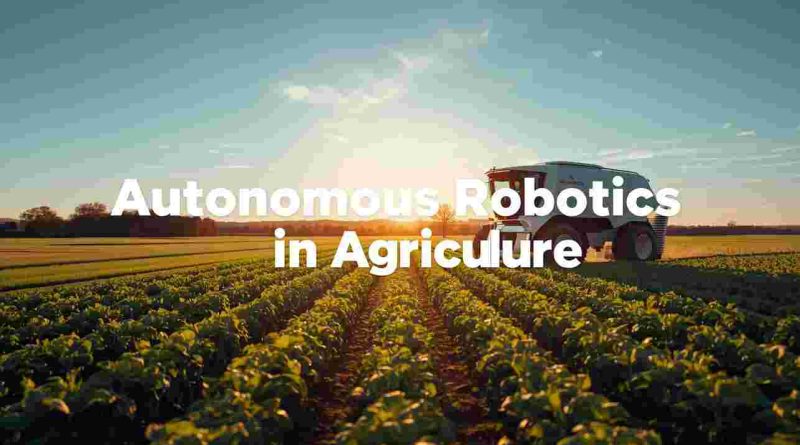
Autonomous Robotics in Agriculture: Transforming Modern Farming
Agriculture has always been at the heart of human survival, but in the 21st century, the industry is facing unprecedented challenges. From rising global food demand to labor shortages and climate change, farmers are under pressure to do more with less. This is where autonomous robotics in agriculture steps in, offering innovative solutions to improve productivity, sustainability, and efficiency.
Today, robotics is no longer a futuristic concept confined to research labs. Instead, autonomous machines are working in fields, orchards, and greenhouses across the world. Just as technological adoption has accelerated in other industries such as Lenovo laptops helping professionals stay efficient, agriculture is embracing automation to remain competitive.
In this article, we will explore the role of autonomous robots in farming, the technologies behind them, their benefits, real-world applications, and the challenges farmers face when adopting them. By the end, you will understand why robotic farming is not just a trend but a necessity for the future.
What Are Autonomous Agricultural Robots?
Autonomous agricultural robots are self-operating machines designed to carry out farm tasks without continuous human supervision. These robots rely on a combination of artificial intelligence (AI), machine learning, sensors, and computer vision to make decisions in real time.
Unlike traditional mechanized equipment, autonomous robots can perform highly precise tasks such as:
- Planting seeds with centimeter-level accuracy.
- Detecting and removing weeds without damaging crops.
- Monitoring soil conditions and crop health.
- Harvesting fruits and vegetables selectively.
This combination of precision and autonomy sets them apart from conventional farming tools.
Key Technologies Powering Robotic Farming
1. Computer Vision and AI
Autonomous robots depend heavily on computer vision and artificial intelligence. Cameras and sensors help them recognize weeds, pests, and crop maturity levels. With AI-driven algorithms, robots can act in real time—spraying pesticides only where needed or identifying diseased plants early.
2. GPS and Navigation Systems
GPS-based navigation allows robots to operate with extreme accuracy, covering large fields without overlap or gaps. Drones and ground robots often use this technology to map farmland.
3. Internet of Things (IoT) Sensors
IoT devices provide valuable data on soil moisture, nutrient levels, and weather conditions. Robots use this data to adjust their actions dynamically.
4. Robotics Engineering and Automation
Engineering advancements enable robots to perform delicate tasks like fruit picking without bruising. Autonomous tractors, for instance, can plow and sow continuously, reducing human intervention.
Benefits of Autonomous Robotics in Agriculture
Higher Productivity
Robots can work around the clock, unaffected by fatigue. For example, automated harvesting machines can operate day and night during peak seasons, ensuring crops are gathered at their optimal time.
Reduced Costs
Labor shortages are a global challenge. By deploying robots, farms can cut reliance on seasonal workers, reducing labor costs in the long run.
Precision Agriculture
Robotics supports precision farming, where inputs such as water, fertilizer, and pesticides are applied exactly where and when they are needed. This not only saves resources but also minimizes environmental impact.
Sustainability Gains
Sustainable farming practices are increasingly important. Robots contribute by reducing chemical overuse, conserving water, and lowering greenhouse gas emissions.
Applications of Autonomous Robots in Farming
Autonomous Tractors
Self-driving tractors are already in use on large farms. They can plow, plant, and fertilize with minimal human oversight.
Robotic Harvesters
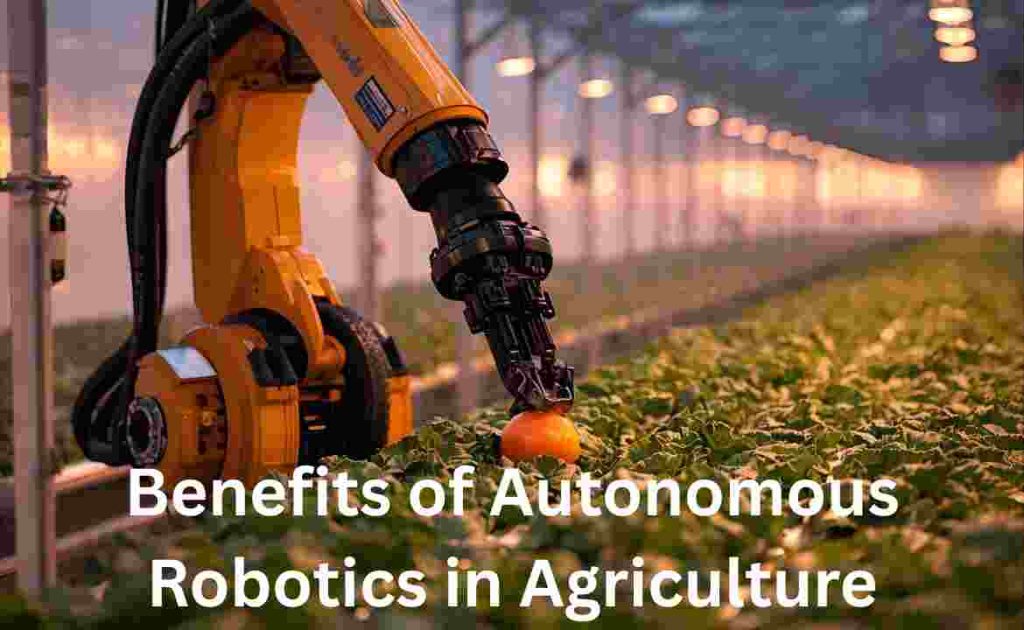
Harvesting fruits like strawberries or apples requires speed and delicacy. Robots equipped with soft grippers and vision technology can selectively pick ripe produce.
Weeding Robots
Weeds are a major threat to crop yields. Robots like eco-robots use lasers or mechanical tools to remove weeds without harming crops, eliminating the need for excessive herbicides.
Drones for Crop Monitoring
Drones equipped with high-resolution cameras provide aerial insights into crop health. They detect patterns invisible to the human eye, such as early disease symptoms or irrigation inefficiencies.
Challenges in Adopting Agricultural Robotics
While robotics offers countless benefits, adoption is not without challenges.
- High Initial Costs: Advanced machines are expensive, making them harder for small-scale farmers to afford.
- Technical Skills Gap: Operating and maintaining robots requires technical knowledge that many farmers may lack.
- Connectivity Issues: Rural areas often suffer from poor internet connectivity, hindering data-driven farming.
- Regulatory Concerns: Governments need to update policies to regulate autonomous machines safely.
Real-World Examples of Robotic Farming
- Naïo Technologies (France): Produces weeding and harvesting robots used widely in Europe.
- Agrobot (Spain): Specializes in strawberry-harvesting robots that use AI to identify ripeness.
- Blue River Technology (USA): Acquired by John Deere, focuses on AI-powered precision spraying systems.
The rapid rise of such companies demonstrates how automation is shaping the future of food production. For those interested in technology trends beyond agriculture, exploring innovations such as top fintech apps shows how AI is reshaping multiple industries simultaneously.
The Future of Autonomous Robotics in Agriculture

The global market for agricultural robots is projected to grow significantly in the next decade. With climate change intensifying and food demand rising, autonomous systems will likely become mainstream.
Future developments may include:
- Robots capable of managing entire farms autonomously.
- Swarm robotics, where multiple small robots coordinate tasks together.
- Integration with blockchain for transparent food supply chains.
In the same way online budgeting apps are empowering individuals to manage finances more effectively, robotics will empower farmers to make data-driven decisions with unprecedented efficiency.
Conclusion
Autonomous robotics in agriculture is not just a technological advancement it’s a survival tool for the future of farming. By increasing productivity, cutting costs, and promoting sustainability, robots are redefining how food is grown and harvested.
While challenges exist, the benefits far outweigh the drawbacks. With ongoing innovations, supportive policies, and increased accessibility, autonomous robotics will soon become a standard in modern agriculture.
FAQs
Traditional machines require constant human control, whereas autonomous robots operate independently using AI, sensors, and GPS.
Currently, costs are high, but leasing models and technological advances are making them more accessible over time.
Not entirely. Robots handle repetitive, labor-intensive tasks, while humans focus on decision-making and management.