
How to Start a Blog and Promote It on Social Media
Starting a blog is one of the best ways to share ideas, build an online presence, and earn money over time. However, simply creating a blog is not enough. To succeed, you must also promote your blog properly, especially on social media platforms. Many beginners fail because they focus only on writing content and ignore promotion. In reality, blogging and social media work best together. When combined correctly, they help you attract readers, grow traffic, and build long-term authority. In this guide, you will learn how to start a blog step by step and how to promote it on social media in a practical and beginner-friendly way.
Step 1: Choose a Clear Blogging Niche
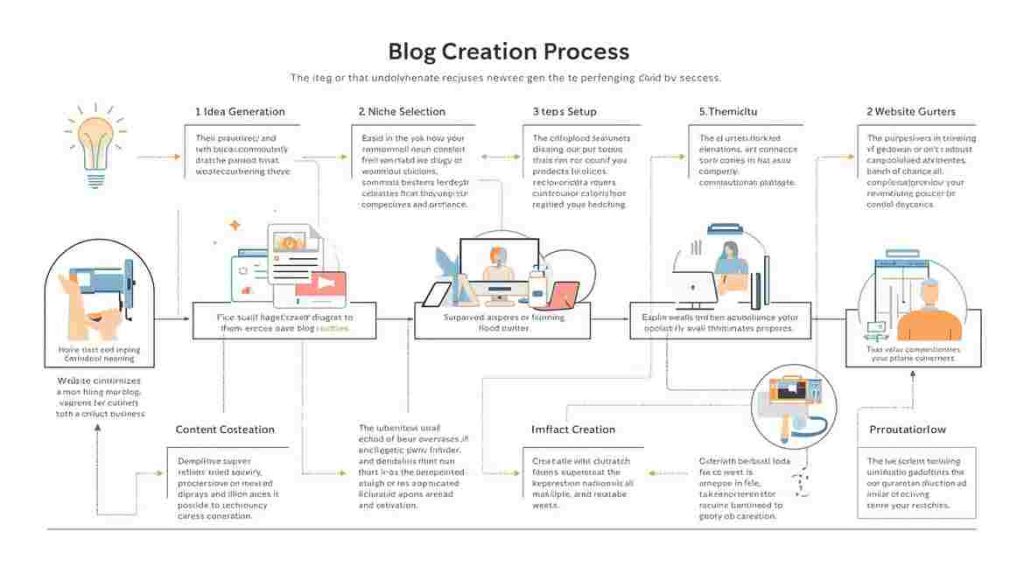
The first step in starting a blog is choosing the right niche. A niche defines what your blog is about and who your audience is.
Before choosing a niche, ask yourself:
- What topics interest me?
- What problems can I help people solve?
- Is there demand for this topic?
Popular blogging niches include:
- Technology
- Finance and earning
- Health and fitness
- Gaming
- Education
- Lifestyle
Choosing a focused niche makes content creation easier and helps social media users understand what your blog offers.
If you are unsure which niche to choose, Best Topics to Use in Blogging can help you identify topics that already have strong interest.
Step 2: Pick a Blogging Platform
Next, you need a platform to build your blog.
The most common options include:
- WordPress.org (self-hosted)
- Blogger
- Medium
- Wix
For long-term growth and control, WordPress.org is the most popular choice. It allows you to customize your blog, use SEO plugins, and monetize easily.
Once you choose a platform, register a domain name that is short, clear, and easy to remember.
Step 3: Set Up Hosting and Design
After choosing a platform, you need hosting to make your blog live.
Good hosting should offer:
- Fast loading speed
- High uptime
- Customer support
Then, choose a simple and clean theme. Avoid heavy designs at the beginning. A clean layout improves readability and user experience.
Step 4: Create High-Quality Content
Content is the foundation of blogging. Without useful content, promotion will not work.
Good blog content should:
- Solve a problem
- Be easy to read
- Be well-structured
- Provide real value
Focus on writing articles that answer questions your audience is already searching for. This approach helps both SEO and social media sharing.
Services like SEO Content Creation Services how expert content boosts? explain why quality content performs better in search engines and social platforms.
Step 5: Optimize Your Blog for SEO
SEO helps your blog appear in search results.
Basic SEO steps include:
- Using keywords naturally
- Writing clear headings
- Optimizing meta titles and descriptions
- Improving page speed
SEO and social media support each other. SEO brings long-term traffic, while social media brings quick visibility.
Step 6: Set Up Social Media Profiles

To promote your blog, you need social media accounts.
Choose platforms based on your audience:
- Facebook for general audiences
- X (Twitter) for news and discussions
- Instagram for visuals
- LinkedIn for professional content
- Pinterest for long-term traffic
Create consistent usernames and use your blog logo or brand colors to build recognition.
Step 7: Share Blog Posts the Right Way
Simply dropping links does not work anymore. You must share content in an engaging way.
When sharing blog posts:
- Write short summaries
- Highlight benefits
- Ask questions
- Use relevant hashtags
Instead of posting once, share the same article in different formats over time.
Step 8: Repurpose Blog Content for Social Media
One blog post can create many social posts.
For example:
- Turn key points into short tweets
- Create carousel posts from tips
- Share quotes or stats
- Make short reels or visuals
Repurposing saves time and increases reach across platforms.
Step 9: Be Consistent on Social Media
Consistency matters more than posting daily.
Create a simple schedule:
- 3–4 posts per week per platform
- Mix blog links with value posts
- Avoid spammy posting
Consistency builds trust and keeps your audience engaged.
If you plan to work professionally with social platforms, insights from Social Media Manager Jobs Remote best platforms to search can help you understand how brands manage content effectively.
Step 10: Engage With Your Audience
Promotion is not just posting links. Engagement builds community.
Always:
- Reply to comments
- Answer questions
- Like and share relevant content
- Join niche-related groups
Active engagement increases visibility and trust.
Step 11: Track Performance and Improve
Tracking helps you understand what works.
Use tools like:
- Google Analytics
- Search Console
- Platform insights
Check:
- Which posts get clicks
- Which platforms bring traffic
- What content gets shared
Then, improve based on data.
Common Mistakes to Avoid
Beginners often make these mistakes:
- Posting only links
- Ignoring SEO
- Copying others blindly
- Expecting instant results
Avoiding these mistakes saves time and frustration.
Final Thoughts
Starting a blog and promoting it on social media takes patience and consistency. Blogging alone is not enough, and social media alone is not enough. Together, they create powerful growth.
By choosing the right niche, creating valuable content, and promoting it smartly on social platforms, you can build traffic, authority, and income over time.
Success in blogging is not about shortcuts. It is about learning, improving, and staying consistent.
FAQs
A blog usually takes several months to gain traffic. Growth depends on content quality, SEO, and consistent promotion on social media platforms.
The best platform depends on your audience. Facebook, X, Pinterest, and LinkedIn all work well when used consistently and correctly.
Yes, blogging platforms like WordPress make it easy to start a blog without coding knowledge, especially with ready-made themes and plugins.
Yes, blogging is still profitable when done with the right niche, SEO strategy, and consistent content promotion.