Top Technology Trends 2026: Innovations That Will Define Future
Technology is evolving faster than ever, and 2026 is set to be a breakthrough year for innovation. From artificial intelligence to advanced connectivity and automation, new technologies are reshaping how businesses operate and how people live and work.
Understanding the top technology trends for 2026 is essential for companies, professionals, and investors who want to stay competitive. These trends are not just experimental ideas they are already transforming industries such as finance, healthcare, manufacturing, and digital services.
1. AI-Native Applications Take Center Stage
Artificial intelligence is no longer just a feature it is becoming the foundation of modern software. In 2026, more companies are building AI-native platforms designed to automate decision-making, personalize user experiences, and improve operational efficiency.
Key developments include:
- AI assistants integrated into business tools
- Predictive analytics for real-time decisions
- Automated content, coding, and customer support
Organizations adopting AI-native platforms are gaining a strong competitive advantage by reducing manual work and improving accuracy.
2. Ambient AI Becomes Invisible but Powerful
One of the most important shifts in 2026 is the rise of Ambient AI technology that works quietly in the background without requiring user interaction.
Examples include:
- Smart homes that adjust lighting and temperature automatically
- Voice systems that understand context
- Healthcare monitoring that detects risks in real time
If you want a deeper understanding of this concept, you can explore how ambient intelligence is changing everyday digital experiences.
Ambient AI focuses on convenience, efficiency, and seamless automation.
3. Edge Computing Expands Rapidly
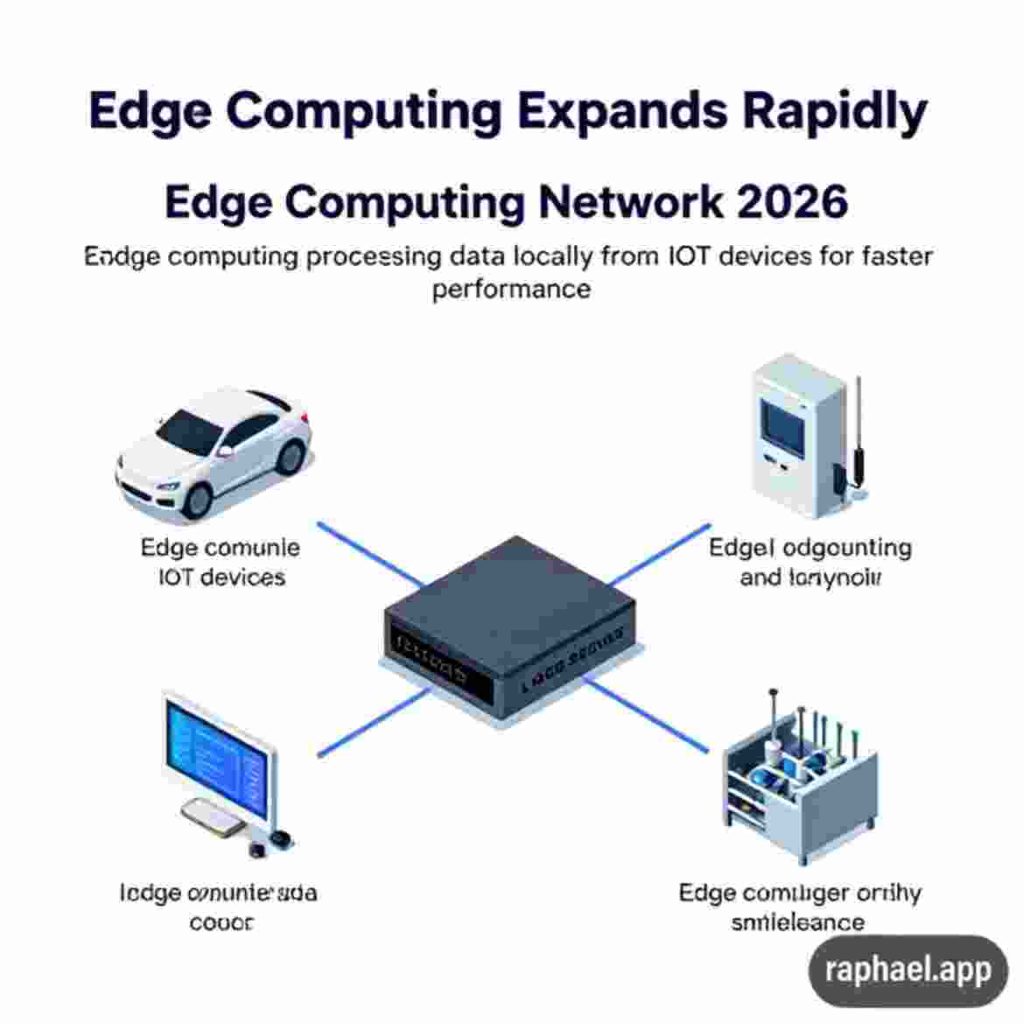
As data volumes grow, sending everything to the cloud is no longer efficient. Edge computing solves this problem by processing data closer to the source.
Benefits of edge computing:
- Faster response times
- Reduced bandwidth costs
- Improved security and privacy
Industries such as autonomous vehicles, smart cities, and manufacturing rely heavily on edge computing solutions to enable real-time decision-making.
This trend will continue growing as IoT devices become more common.
4. Cybersecurity Moves Toward Zero-Trust Models
With rising cyber threats and data breaches, security remains a top priority in 2026. Organizations are moving toward Zero-Trust architectures, where every user and device must be verified continuously.
Major security trends include:
- AI-driven threat detection
- Multi-factor authentication everywhere
- Continuous identity monitoring
- Data encryption by default
Companies handling sensitive data, especially in finance and healthcare, must adopt strong security best practices to protect customers and maintain trust.
5. Open Finance and Embedded Banking Grow
Financial technology continues to evolve beyond traditional banking. In 2026, open finance and embedded financial services are expanding rapidly.
Key developments:
- Secure data sharing through APIs
- Payments integrated into apps and platforms
- Faster lending using real-time financial data
Businesses looking to understand this transformation should learn how secure banking integrations are enabling new digital financial services.
This trend is improving financial access and creating new revenue opportunities for fintech companies.
6. AI in Cloud Computing Becomes Standard
Cloud platforms are becoming smarter with built-in AI capabilities. Instead of managing infrastructure manually, businesses can now use intelligent cloud systems that optimize performance automatically.
Key advantages:
- Automated resource scaling
- Cost optimization through predictive analysis
- Built-in machine learning tools
- Faster application deployment
If you’re exploring modern infrastructure, understanding AI-powered cloud systems can help you stay ahead of enterprise technology shifts.
7. Digital Twins Transform Industry Operations
Digital twin technology creates virtual replicas of physical systems, allowing companies to simulate performance and predict problems before they occur.
Use cases include:
- Smart factories monitoring equipment health
- Urban planning simulations for traffic and energy use
- Predictive maintenance in logistics and aviation
As businesses focus on efficiency and sustainability, digital twins will become a standard tool for operational optimization.
8. Hyperautomation Accelerates Business Efficiency
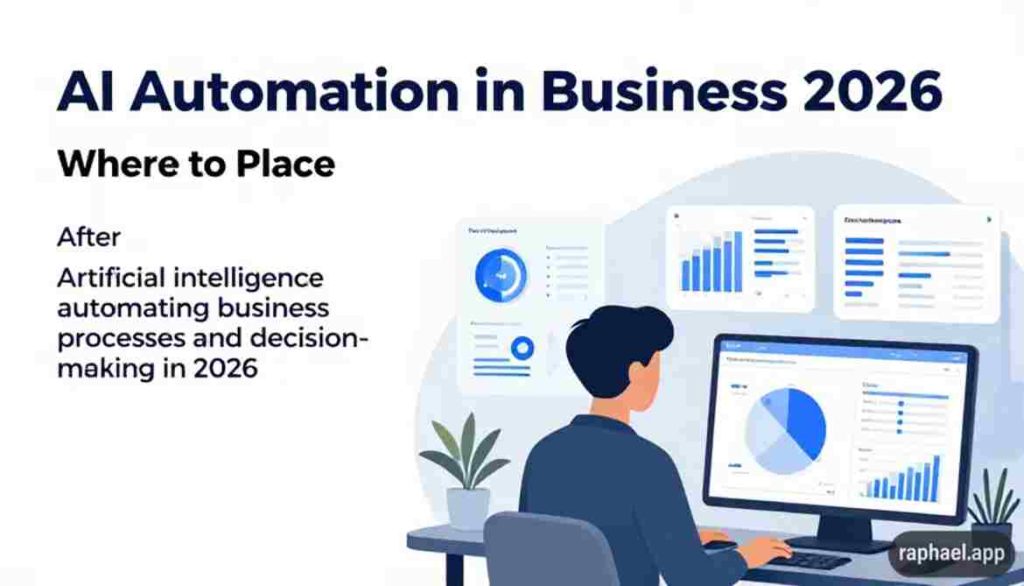
Automation is evolving beyond simple workflows. Hyperautomation combines AI, robotic process automation (RPA), and analytics to automate complex business processes.
Examples:
- Automated invoice processing
- AI-driven customer service workflows
- Intelligent document handling
Companies adopting automation strategies are improving productivity while reducing operational costs.
9. Extended Reality (XR) Enters Mainstream Use
Virtual reality (VR), augmented reality (AR), and mixed reality are moving beyond gaming into business applications.
Emerging use cases:
- Remote collaboration in virtual workspaces
- Employee training simulations
- Virtual product demonstrations
- Healthcare and surgical planning
As hardware becomes more affordable, XR adoption will expand across industries.
10. Sustainable and Green Technology Gains Priority
Sustainability is becoming a core technology focus. Organizations are investing in energy-efficient infrastructure and environmentally responsible digital solutions.
Key areas of innovation:
- Low-power data centers
- Carbon tracking software
- Smart energy management systems
- Sustainable supply chain technologies
Green IT is not only good for the environment but also helps businesses meet regulatory requirements and reduce operational costs.
Why These Technology Trends Matter
The top technology trends for 2026 are shaping a future that is:
- More automated
- Data-driven
- Secure
- Connected
- Sustainable
Businesses that adopt these technologies early will improve efficiency, enhance customer experience, and stay competitive in a rapidly changing digital landscape.
These innovations are also influencing broader technology and business shifts that will define how organizations operate in the coming years.
FAQs
Artificial intelligence remains the most influential trend, especially AI-native applications and automation tools that improve decision-making and productivity.
Edge computing reduces latency and processes data locally, making it essential for IoT, smart devices, and real-time applications.
Organizations are adopting zero-trust models, AI-based threat detection, and stronger identity verification to address increasing cyber risks.
Manufacturing, healthcare, logistics, and smart city planning benefit from digital twins by improving efficiency and predictive maintenance.
Yes, cloud adoption continues to grow, especially with AI integration and automated infrastructure management.