
Reverse Mortgage Educators: What They Do and Why
Reverse mortgages are a financial product designed for older homeowners who want to access the equity in their homes without selling or moving. However, this product can be complex and emotionally charged, which is why people often seek guidance before deciding whether it fits their financial goals.
A reverse mortgage educator is someone or an organization who specializes in helping homeowners understand the ins and outs of reverse mortgages. Instead of selling a product, educators focus on explaining how reverse mortgages work, what responsibilities they entail, and what alternatives exist. They aim to make information clear, unbiased, and practical.
In this article, you will learn:
- What a reverse mortgage educator is
- Why education is a crucial first step
- What topics educators cover
- How to identify trustworthy educators
- Important questions every homeowner should ask
- Alternatives to reverse mortgages worth considering
What Is a Reverse Mortgage?
Before understanding the educator’s role, it helps to know what a reverse mortgage actually is.
A reverse mortgage allows homeowners typically age 62 and older to convert part of their home equity into cash without selling their home. Unlike a traditional mortgage, the homeowner does not make monthly payments to the lender. Instead, the loan balance grows over time and becomes due when the homeowner moves out, sells the home, or passes away.
Reverse mortgages might help cover expenses like healthcare costs, home modifications, or retirement shortfalls. But they also involve fees, interest, and potential implications for heirs. Because of this complexity, reverse mortgage educators exist to help homeowners sort through the details.
Who Are Reverse Mortgage Educators?

Reverse mortgage educators are specialists who focus on teaching and explaining the full scope of reverse mortgage products and their long-term effects. They are often part of:
- HUD-approved housing counseling agencies
- Nonprofit financial education groups
- Retirement planning seminars
- Bank or lender educational departments
(Disclosure is important here: educators affiliated with lenders may also have a sales motive)
Their role is not to sell you a product, but to help you understand:
- How the reverse mortgage works
- Costs and benefits
- Responsibilities as a borrower
- Impact on estate and inheritance
- Alternatives and other financial options
A good educator gives you clarity, not just confidence.
Why Reverse Mortgage Education Matters
Reverse mortgages are not simple “free money.” They affect your long-term financial future, home equity, and family inheritance plans. Without proper education, many homeowners make decisions based on incomplete or misleading information.
Here’s why education matters:
1. Reverse mortgages have long-term financial impact
The balance increases over time, and your equity decreases as interest accrues. Educators help you understand these dynamics clearly.
2. Many misconceptions exist
Some people think a reverse mortgage means the bank owns the home immediately or that heirs cannot inherit property. Educators correct these misunderstandings.
3. Responsibility remains
Even with a reverse mortgage, borrowers must still pay property taxes, insurance, and maintain the home. Educators highlight these ongoing responsibilities that surprise many.
4. Alternatives may be better for certain goals
A reverse mortgage might not be the best option if you plan to move soon, leave the home to heirs, or have other income sources.
Topics Reverse Mortgage Educators Teach
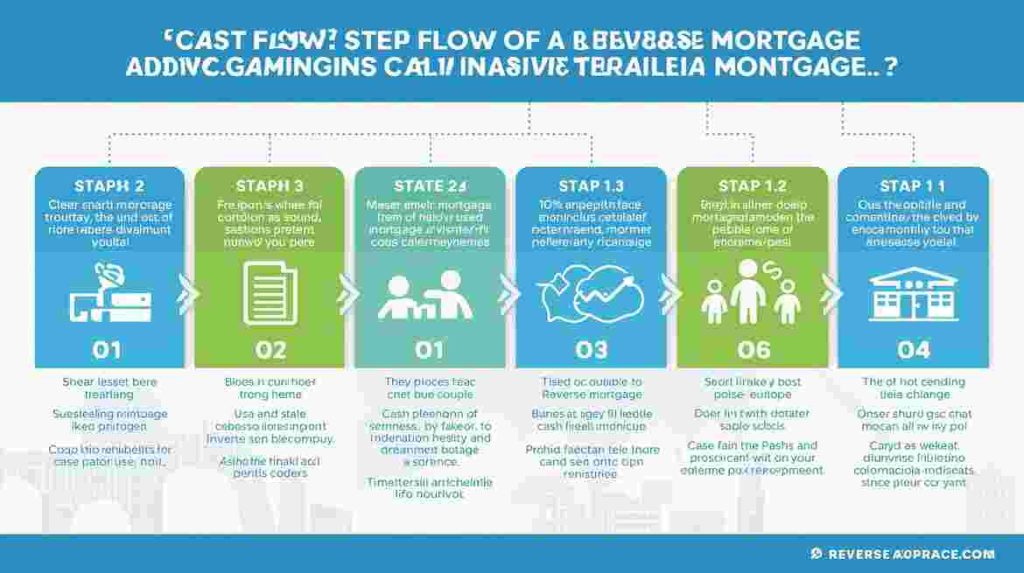
Reverse mortgage educators cover a broad range of topics. The goal is to ensure homeowners make decisions with full understanding.
1. Eligibility and Requirements
Educators explain who qualifies for a reverse mortgage, including:
- Age requirements (commonly 62+)
- Equity minimums
- Home types that qualify
- Occupancy requirements
Many homeowners are surprised by how these rules affect their options.
2. Costs, Fees, and Interest
Educators break down:
- Origination fees
- Mortgage insurance premiums
- Closing costs
- Interest accrual
Understanding these costs helps homeowners compare reverse mortgages to other options.
3. Loan Proceeds and Payment Options
Reverse mortgages offer different ways to receive funds:
- Lump sum
- Monthly payments
- Line of credit
- Combination options
Each method has trade-offs. Educators help homeowners choose based on cash flow needs, longevity, and financial plans.
4. Responsibilities of Borrowers
A reverse mortgage does not eliminate the need to:
- Pay property taxes
- Maintain homeowners insurance
- Keep the home in good repair
Missing any of these responsibilities can cause a loan to become due sooner than expected.
5. Impact on Heirs and Inheritance
Educators help families understand what happens to the home after the borrower passes away or moves out. They explain how heirs can:
- Pay off the loan and keep the home
- Sell the home to repay the loan
- Walk away after selling the home
This discussion is especially important for estate planning.
6. Alternatives to Reverse Mortgages
A trusted educator does not focus only on reverse mortgages. They also walk through alternatives such as:
- Downsizing to a smaller home
- Refinancing an existing mortgage
- Accessing savings or retirement funds
- Utilizing local or federal assistance programs
Knowing alternatives helps homeowners weigh choices instead of committing to one path without context.
This principle of educating before execution is similar to best practices in other fields for example, when creating high-quality guides that help users do things step-by-step, as in SEO Content Creation Services: How Expert Content Boosts?
Where to Find Trusted Reverse Mortgage Educators
Not all educators are equally helpful or unbiased. Here are reliable sources:
HUD-approved housing counseling agencies
The U.S. Department of Housing and Urban Development (HUD) maintains a list of approved counselors who offer free or low-cost sessions.
Nonprofit financial counseling groups
Organizations like the National Council on Aging offer education without sales pressure.
Academic or community workshops
Universities and senior centers sometimes hold financial education events.
Avoid educators who push you toward a specific product before explaining the full picture.
How to Choose a Trustworthy Educator
Choosing the right educator makes all the difference.
Look for educators who:
- Focus on education first, not sales
- Explain both pros and cons clearly
- Encourage you to ask questions and take your time
- Provide comparisons with alternatives
- Aren’t connected directly to lenders (or disclose relationships)
If someone tries to rush your decision or uses high-pressure tactics, that is a red flag.
Useful Questions to Ask a Reverse Mortgage Educator
Before making any decisions, consider asking:
- What are the total fees over time?
- How does a reverse mortgage impact home equity?
- What happens if I move to assisted living?
- What obligations remain after taking the loan?
- Are there better financial alternatives for my situation?
Answers to these questions help you evaluate whether a reverse mortgage aligns with your goals.
Final Thoughts
Reverse mortgage educators play a key role in helping homeowners navigate a complex financial decision. Their purpose is not to sell, but to explain, compare, and clarify.
A high-quality educator empowers you to:
- Understand how reverse mortgages work
- Recognize responsibilities and risks
- Identify alternatives
- Make an informed, confident decision
Whether you are considering a reverse mortgage now or planning for retirement, education should always come first.
FAQs
Not always. Many educators focus on explaining loan basics, while financial advisors provide broader retirement planning guidance.
Yes, most FHA-backed reverse mortgages require counseling from a HUD-approved agency before approval.
Some may work for lenders, so it is important to confirm whether the educator is independent or connected to a company.
The safest approach is speaking with HUD-approved counselors and reviewing unbiased educational resources before signing anything.