Best Marketplaces for Digital Products in 2026
Selling digital products has become one of the most effective ways to earn online income. Instead of managing inventory or shipping physical items, creators can sell files, access, or tools instantly to customers around the world. Because of this convenience, digital product marketplaces continue to grow rapidly in 2026.
However, choosing the right marketplace is not always simple. Each platform offers different features, audiences, fees, and levels of control. Therefore, understanding how these marketplaces work is essential before deciding where to sell your products.
In this guide, you will learn about the best marketplaces for digital products, how they compare, and which one may suit your goals best.
What Is a Digital Product Marketplace?
A digital product marketplace is an online platform where creators can upload, sell, and deliver digital goods. These platforms usually manage payments, downloads, and customer access. As a result, sellers can focus more on creating products rather than handling technical tasks.
In many cases, marketplaces already have an active audience. Because of this, beginners often find it easier to make their first sale on a marketplace rather than on a brand-new website. To understand what qualifies as a digital product in the first place, you can also explore what are digital products, which explains common formats and use cases.
Why the Right Marketplace Matters
Although many platforms allow you to sell digital products, not all of them are suitable for every creator. Some marketplaces focus on volume and discovery, while others focus on branding and control. Therefore, choosing the wrong platform can limit your growth.
On the other hand, selecting the right marketplace can help you:
- Reach the correct audience faster
- Build trust with buyers
- Automate product delivery
- Scale sales more efficiently
Because of this, it’s important to match the platform with your product type and long-term goals.
Best Marketplaces for Digital Products in 2026
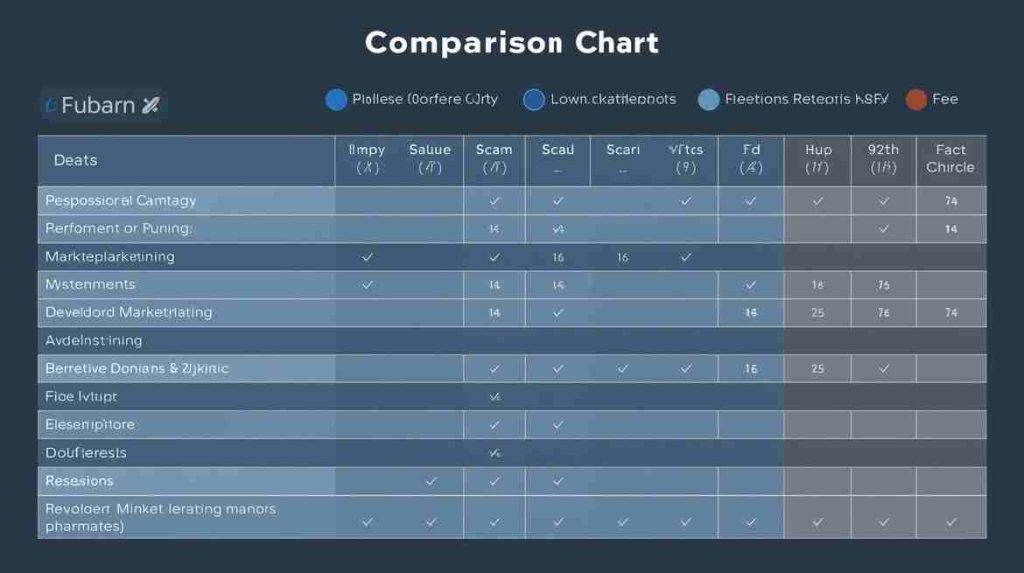
Below are some of the most reliable and widely used marketplaces, explained in detail.
1. Gumroad
Gumroad is one of the most popular platforms for selling digital products, especially among independent creators.
To begin with, Gumroad is extremely easy to use. You can upload a product, set a price, and start selling within minutes. Moreover, it supports many formats, including eBooks, videos, software, and memberships.
Another advantage is that Gumroad handles payments and file delivery automatically. However, it does charge a transaction fee, which increases for lower-volume sellers.
Gumroad works particularly well for bloggers and writers who already have an audience. Many creators combine it with content strategies similar to how to start a blog as a writer to drive consistent traffic.
2. Etsy (Digital Downloads)
Although Etsy is famous for handmade products, it has become a strong marketplace for digital downloads.
For example, sellers often use Etsy to sell planners, printables, templates, and digital artwork. Because Etsy has millions of active users, products can gain visibility even without heavy marketing.
However, competition is high. Therefore, product quality, clear descriptions, and optimized listings are very important. In addition, Etsy charges listing and transaction fees, which sellers must consider.
3. Sellfy
Sellfy is designed for creators who want more control than traditional marketplaces offer.
Unlike Etsy, Sellfy allows you to create a branded storefront. As a result, your products look more professional and personalized. Additionally, Sellfy supports subscriptions and email marketing tools, which help build long-term customer relationships.
While Sellfy charges a monthly fee, it removes transaction fees on higher plans. Because of this, it becomes more cost-effective as sales grow.
4. Podia
Podia is an excellent choice for creators selling educational content.
Instead of focusing only on downloads, Podia supports online courses, memberships, and webinars. Moreover, it includes built-in email marketing, which allows creators to nurture their audience over time.
Because Podia focuses on learning products, it is ideal for educators, coaches, and consultants. However, it may not be the best fit for simple one-time downloads.
5. Creative Market
Creative Market is a specialized marketplace for designers.
It focuses on high-quality digital assets such as fonts, graphics, themes, and UI kits. Since the audience is already interested in design products, conversion rates are often higher.
That said, Creative Market has strict quality guidelines. Therefore, approval can take time. Still, once approved, sellers benefit from a professional and trusted marketplace.
6. Amazon Kindle Direct Publishing (KDP)
For writers, Amazon KDP remains one of the strongest platforms in 2026.
Through KDP, authors can publish and sell eBooks globally. Because Amazon already has buyer trust, new authors can reach readers quickly.
However, Amazon controls pricing flexibility and takes a percentage of each sale. Many writers use KDP alongside other monetization methods, including ads explained in what is page RPM in Google AdSense.
7. Selling Digital Products on Your Own Website
Although not a marketplace in the traditional sense, selling through your own website offers maximum control.
With your own site, you decide pricing, branding, and customer experience. Furthermore, you avoid marketplace competition and platform dependency.
However, traffic becomes your responsibility. Therefore, this approach works best when combined with SEO, content marketing, or email lists.
How to Choose the Best Marketplace for You

Before choosing a platform, consider these factors carefully.
Product Type
Different platforms suit different products. For example, templates work well on Etsy, while courses perform better on Podia.
Audience Size
If you already have traffic, a self-hosted solution may be better. Otherwise, marketplaces with built-in audiences can help you start faster.
Fees and Pricing
Always calculate how fees affect profit. Lower fees do not always mean higher income if sales volume is low.
Long-Term Goals
Some creators start on marketplaces and later move to their own websites. Therefore, flexibility matters.
Can You Use Multiple Marketplaces?
Yes, many creators sell the same digital product on more than one platform.
For instance, you might use Etsy for discovery while also selling directly on your website. This strategy increases reach and reduces reliance on a single platform. However, you must manage updates and pricing carefully.
Common Mistakes to Avoid
Despite the opportunities, many creators make avoidable mistakes.
First, some choose a marketplace without researching fees. Next, others rely entirely on one platform, which increases risk. Finally, many fail to optimize product descriptions or visuals.
Avoiding these mistakes improves both visibility and sales.
Final Thoughts
Digital product marketplaces make online selling accessible, scalable, and efficient. However, success depends on choosing the right platform and using it correctly.
Start with one marketplace, learn how buyers respond, and improve your product over time. Eventually, you can expand to other platforms or build your own sales system.
When done properly, digital products can become a reliable and long-term income source.
FAQs
Gumroad and Etsy are beginner-friendly because they require minimal setup and provide built-in selling tools.
Yes, many creators do this to increase reach and reduce dependence on a single marketplace.
Most platforms charge transaction fees or monthly subscriptions in exchange for hosting and payment processing.
It offers more control and profit potential, but it requires traffic and marketing effort.