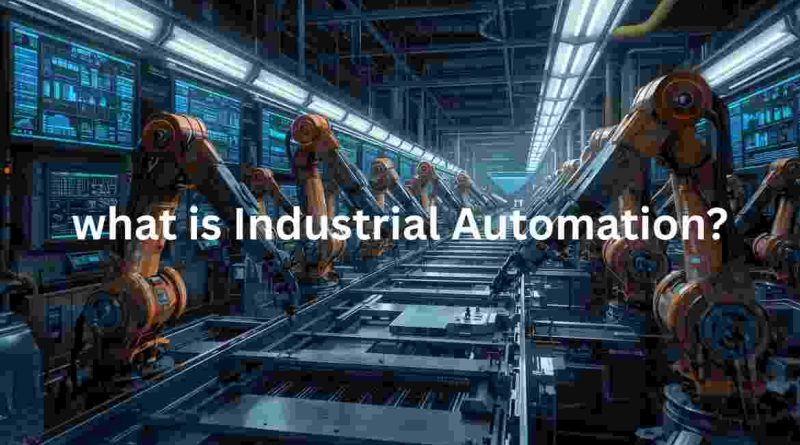
What Is Industrial Automation? A Complete Guide for 2026
Industrial automation is no longer just about robots replacing human labor. In 2026, it is a strategic investment used to improve productivity, reduce operational risks, and make faster business decisions using real-time data.
Companies that adopt automation correctly see measurable improvements in output, quality, and operating margins. Those that implement it without a clear strategy often struggle with high costs and limited results.
This guide focuses on how industrial automation actually creates business value, what it costs, and how organizations can adopt it step by step.
The Real Business Purpose of Industrial Automation
At its core, industrial automation helps companies solve three major operational problems:
- Production bottlenecks
- Inconsistent product quality
- High operating costs
Instead of relying on manual monitoring and intervention, automated systems continuously track performance and make adjustments when needed.
Most modern factories now combine machines, sensors, and software dashboards to create connected production environments. This shift toward connected operations is part of broader digital operations transformation efforts across manufacturing industries.
Where Automation Delivers the Highest ROI
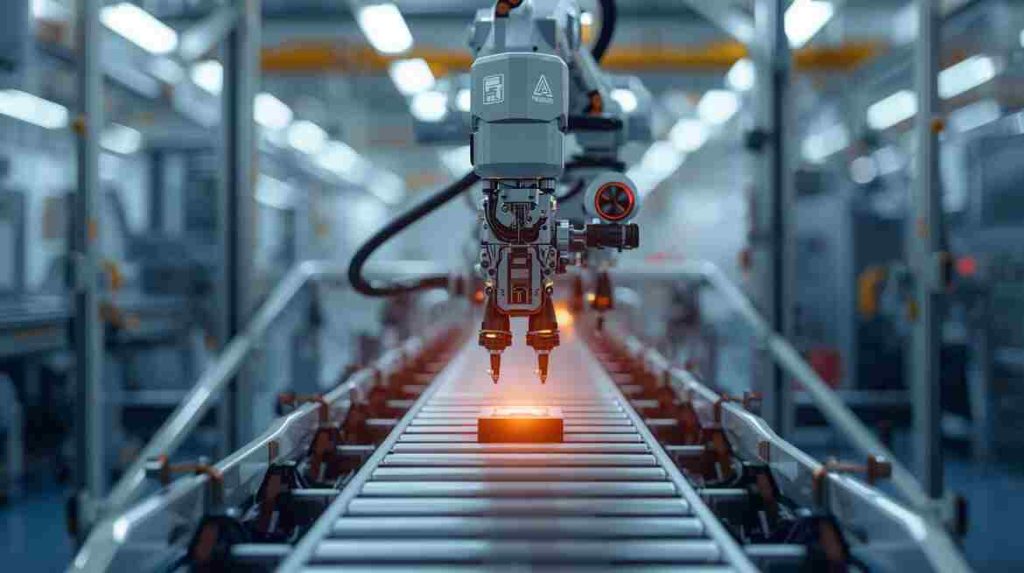
Not every process needs automation. The highest returns usually come from specific problem areas.
1. High-Volume Repetitive Tasks
Examples include:
- Assembly and fastening
- Packaging and labeling
- Palletizing
Automating repetitive work increases speed while maintaining consistent quality.
2. Quality Control
Manual inspection often misses small defects and slows production. Machine vision systems can inspect thousands of units per hour with high accuracy.
Companies that automate inspection often integrate results into real-time production analytics to identify defect patterns and process weaknesses.
3. Unplanned Downtime
Equipment failures are one of the biggest hidden costs in manufacturing. Predictive maintenance systems monitor vibration, temperature, and performance data to detect issues early.
Preventing even a few hours of downtime per month can justify the automation investment.
4. Internal Material Movement
Automated guided vehicles (AGVs) and smart conveyors reduce delays between production stages and improve workplace safety.
These solutions are often part of broader smart manufacturing strategies designed to optimize the entire production flow.
Understanding the Cost Structure
Industrial automation costs depend on complexity, but businesses should evaluate the total financial impact, not just the upfront expense.
Typical Cost Ranges
- Single robotic workstation: $40,000 – $120,000
- Vision inspection system: $15,000 – $80,000
- Predictive maintenance setup: $20,000 – $100,000
- Full line automation: $250,000+
Where the Savings Come From
Automation improves financial performance through:
- Reduced labor overtime
- Lower defect and scrap rates
- Higher production throughput
- Reduced downtime
- Better energy efficiency
When automation targets a known bottleneck, most companies achieve payback within 12–24 months.
A Practical Implementation Roadmap
One of the biggest reasons automation projects fail is trying to do too much too quickly.
A structured approach works better.
Step 1: Identify the Costliest Problem
Look for:
- Frequent machine stoppages
- High rework or scrap levels
- Labor-intensive repetitive tasks
Step 2: Measure Current Losses
Calculate:
- Downtime cost per hour
- Cost of defective products
- Labor hours per unit
This creates a clear business case.
Step 3: Start with a Pilot
A small, focused automation project reduces risk and helps teams gain experience. Many organizations begin with a pilot as part of a larger technology modernization plan.
Step 4: Train the Workforce
Automation works best when employees understand how to operate and maintain new systems. Upskilling technicians reduces long-term dependence on external vendors.
Step 5: Scale Based on Results
If the pilot delivers measurable ROI, similar solutions can be expanded to other production areas.
The Role of Data in Modern Automation
The biggest difference between traditional automation and modern systems is data visibility.
Today’s systems provide:
- Real-time machine performance
- Production efficiency metrics
- Energy consumption tracking
- Predictive failure alerts
Many companies connect operational data to cloud platforms or centralized dashboards, enabling industrial performance monitoring across multiple facilities.
This visibility allows managers to make faster, evidence-based decisions.
AI and Advanced Automation Capabilities
Artificial intelligence is enhancing automation beyond simple task execution.
Key AI Applications
- Predicting equipment failure before breakdown
- Automatically adjusting machine settings for quality
- Detecting production anomalies
- Forecasting output based on demand
Organizations adopting AI-driven automation are aligning with broader emerging technology adoption trends that focus on efficiency and resilience.
Risks and Challenges to Consider
Industrial automation offers strong benefits, but planning is essential.
Integration Complexity
Older machines may not support modern communication protocols.
Solution: Use gateways or focus on standalone automation cells first.
Cybersecurity Exposure
Connected equipment increases the risk of unauthorized access. Strong industrial cybersecurity controls are critical to protect operations.
Change Management
Employees may resist automation if they see it as a job threat. Clear communication and training help position automation as a productivity tool rather than a replacement.
Industries Leading Automation Adoption
Automation is expanding beyond large manufacturers.
High adoption sectors include:
- Automotive and electronics
- Food and beverage processing
- Pharmaceuticals
- Warehousing and logistics
- Small and mid-sized manufacturing
Even smaller facilities are now implementing targeted automation to remain competitive.
What the Future Looks Like
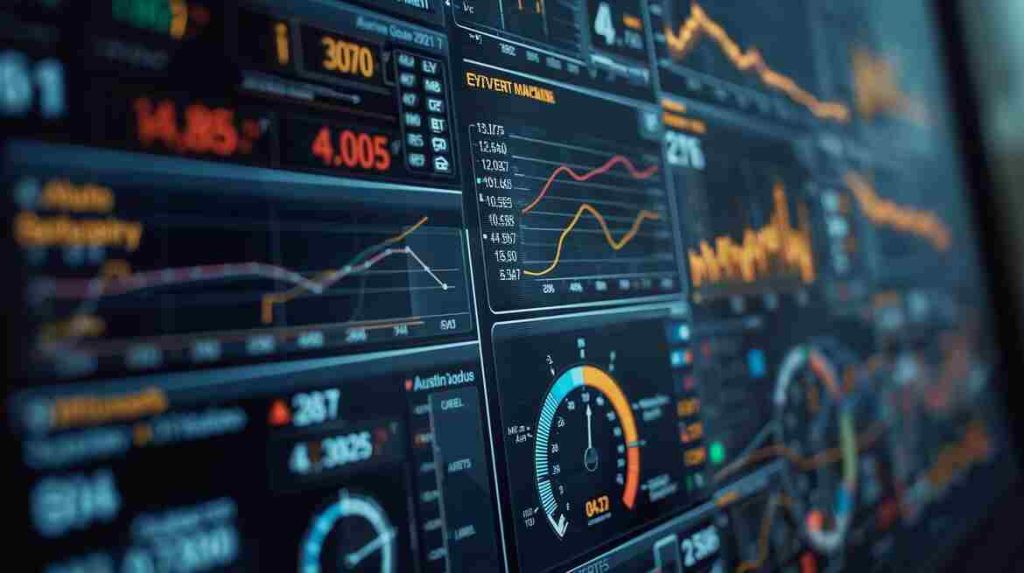
Industrial automation is moving toward fully connected and adaptive environments.
Key developments include:
- Collaborative robots working safely with humans
- Remote monitoring through mobile dashboards
- Subscription-based automation services
- Self-optimizing production lines
- Integrated business and production data
These changes are part of wider next-generation industry innovations shaping the future of manufacturing.
FAQs
It uses machines, control systems, and software to run industrial processes automatically with minimal human involvement.
Manufacturing, energy, oil and gas, agriculture, food processing, and many other industrial sectors use automation.
Initial costs are high, but automation reduces long-term labor and operational expenses.
A PLC controls machines by processing sensor data and sending commands to equipment.
AI enables predictive maintenance, quality analysis, and production optimization using real-time data.