
Is Cybersecurity a Good Career in 2026?
Cybersecurity is one of the fastest-growing technology fields in the world. With cyber threats increasing every year, organizations are investing heavily in protecting data, systems, and digital infrastructure.
But the real question is: Is cybersecurity a good career choice in 2026?
Short answer: yes if you are willing to build technical skills, adapt continuously, and handle high responsibility.
This guide breaks down salary expectations, job demand, required skills, stress levels, career paths, and long-term growth potential so you can make an informed decision.
Why Cybersecurity Is in High Demand
Businesses today rely on digital systems for everything banking, healthcare, retail, cloud storage, and remote work. As digital transformation expands, so do cyber risks.
Organizations now treat cybersecurity as a core business priority, not just an IT function. This shift is part of broader enterprise risk management strategies where digital protection is essential for survival.
Governments and private companies are increasing cybersecurity budgets due to:
- Ransomware attacks
- Data breaches
- Cloud vulnerabilities
- Phishing and social engineering
- AI-powered cyber threats
The demand for skilled professionals continues to outpace supply.
Cybersecurity Salary Expectations
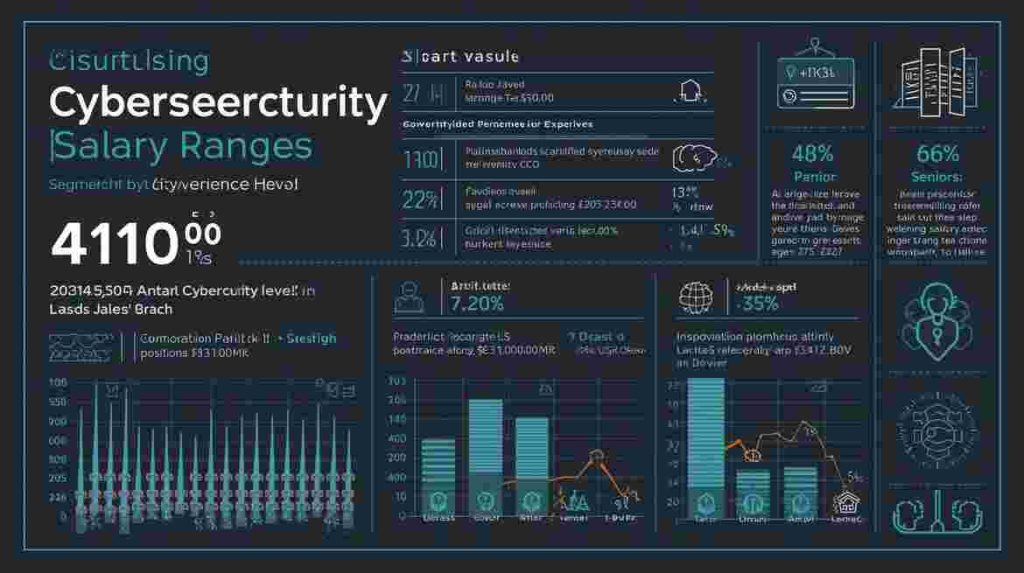
Cybersecurity salaries are competitive compared to many other IT roles.
Entry-Level Roles
- Security Analyst
- SOC Analyst
- IT Security Support
Average range: $60,000 – $85,000 per year (varies by region).
Mid-Level Roles
- Security Engineer
- Penetration Tester
- Cloud Security Specialist
Average range: $90,000 – $130,000 per year.
Senior Roles
- Security Architect
- Incident Response Lead
- Chief Information Security Officer (CISO)
Average range: $140,000 – $250,000+ per year.
High salaries reflect the level of responsibility. Security professionals protect sensitive company and customer data.
Is Cybersecurity Stressful?
Yes, it can be.
Cybersecurity professionals often deal with:
- Real-time attack incidents
- System vulnerabilities
- High accountability
- Urgent problem-solving
However, not all roles are equally stressful. Governance, risk, and compliance (GRC) roles tend to be less high-pressure than incident response positions.
If you prefer structured work instead of emergency-based tasks, you can explore roles related to security compliance frameworks or policy management.
What Skills Do You Need?
Cybersecurity requires both technical and analytical abilities.
Technical Skills
- Networking fundamentals
- Operating systems (Windows, Linux)
- Cloud security concepts
- Threat detection tools
- Basic scripting (Python, Bash)
Soft Skills
- Critical thinking
- Attention to detail
- Communication
- Risk assessment mindset
Professionals who understand both security and broader IT infrastructure systems have stronger career growth potential.
Certifications That Improve Career Prospects
Certifications are important in cybersecurity because they validate knowledge.
Popular certifications include:
- CompTIA Security+
- CEH (Certified Ethical Hacker)
- CISSP
- CISM
Entry-level candidates can start with foundational certifications and gain practical experience through labs and internships.
Career Paths in Cybersecurity
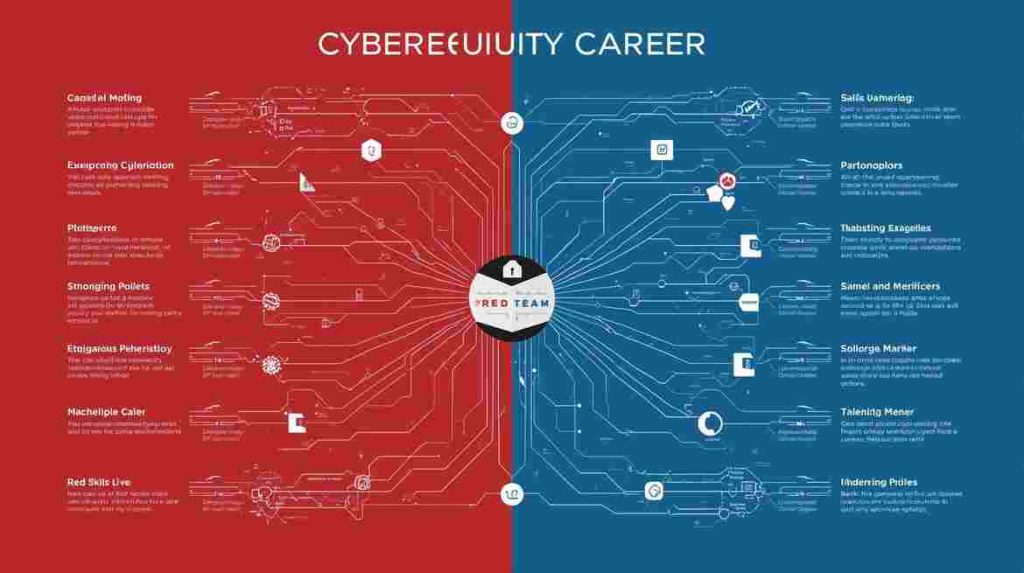
Cybersecurity is not a single job it offers multiple career tracks.
1. Defensive Security (Blue Team)
Focuses on monitoring and defending systems.
2. Offensive Security (Red Team)
Involves ethical hacking and vulnerability testing.
3. Cloud Security
Protecting data in cloud environments.
4. Governance & Compliance
Ensuring regulatory compliance and risk management.
5. Security Architecture
Designing secure systems at an organizational level.
Many professionals move into cybersecurity from general IT roles such as system administration or network engineering.
Job Stability and Long-Term Growth
Cybersecurity offers strong job stability because cyber threats continue to grow.
Unlike some technology trends that fluctuate, cybersecurity remains essential across industries.
As businesses adopt automation and digital systems, protecting those systems becomes even more critical. This aligns with broader technology risk mitigation trends seen across global enterprises.
The field is expected to grow steadily for the next decade.
Advantages of Choosing Cybersecurity
- High salary potential
- Strong job demand
- Global career opportunities
- Remote work flexibility
- Continuous learning environment
For individuals who enjoy problem-solving and technology, cybersecurity can be highly rewarding.
Disadvantages to Consider
- Ongoing skill upgrades required
- Possible high-stress environments
- Complex technical learning curve
- Responsibility during security incidents
It is not a passive career. Continuous learning is necessary.
Who Should Consider Cybersecurity?
Cybersecurity is a good fit if you:
- Enjoy solving complex problems
- Like working with technology
- Are comfortable learning continuously
- Can handle responsibility
It may not be ideal if you prefer repetitive, predictable tasks with minimal change.
Is Cybersecurity Better Than Other IT Careers?
Compared to general IT support roles, cybersecurity often offers:
- Higher salary ceilings
- Faster career progression
- More strategic impact
However, it requires deeper technical knowledge and ongoing certification.
Professionals often compare it with roles in cloud computing or automation. While automation careers are growing through areas like industrial system security, cybersecurity remains foundational because every digital system requires protection.
Future Outlook for Cybersecurity Careers
Emerging areas in 2026 include:
- AI security
- Cloud-native protection
- Zero trust architecture
- IoT security
- Data privacy management
As AI systems expand, securing them becomes a priority. Cybersecurity professionals who understand both AI and security will have strong career advantages.
FAQs
It can be challenging at first, especially for beginners without IT background. However, structured learning and hands-on labs make it manageable.
A degree helps, but many professionals enter the field through certifications and practical experience.
Yes, but starting with basic IT knowledge improves success rates.
While no career is fully future-proof, cybersecurity demand is expected to remain strong for many years.
Many cybersecurity roles offer remote or hybrid work options.