
The JOI Database: Next‑Gen Data Validation & Management
In the fast-In modern software development, managing data quality is as important as storing it. Applications today handle massive amounts of data from diverse sources users, APIs, third‑party systems, and more. But data without structure, consistency, and validation leads to bugs, security vulnerabilities, and downtime. This is why The JOI Database concept has gained traction among developers: it prioritizes data validation through schemas before data is saved or processed.
Although “The JOI Database” is often misunderstood as a traditional database system, it actually refers to a data handling approach built around Joi validation ensuring data integrity at every stage of application flow. This article explores what it means, how it works, why it matters, and how to implement it effectively in real‑world applications.
What Is The JOI Database?
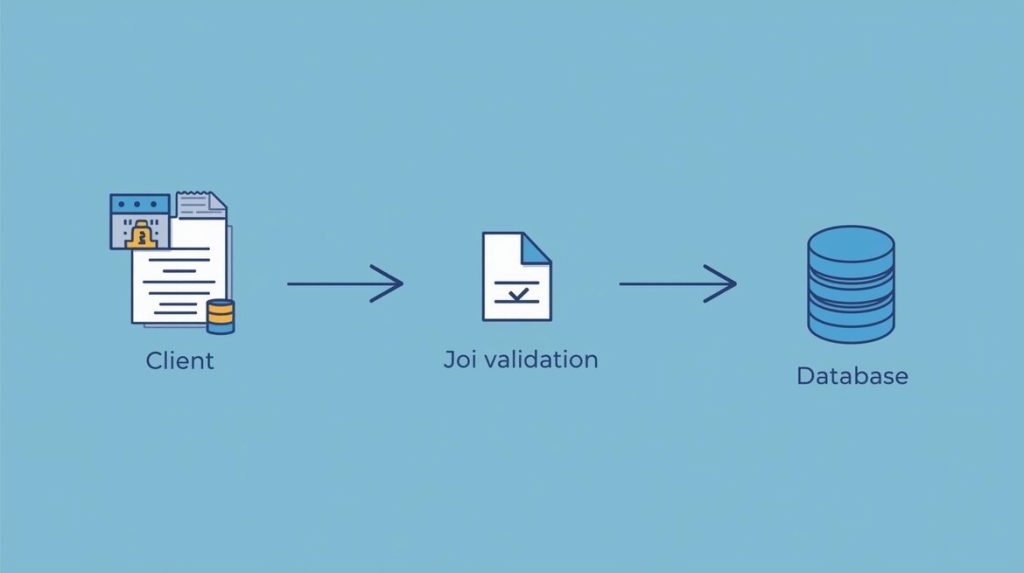
The JOI Database does not refer to a specific product like MySQL, PostgreSQL, or MongoDB. Instead, it describes a validation‑centric data management pattern where Joi, a powerful JavaScript schema description and validation library, serves as the core validator for all data entering your system.
In this pattern, all incoming data is validated against a defined schema before it is inserted, updated, or processed. This ensures consistent structure, required fields, and correct data types reducing errors and optimizing application reliability.
At its heart, this approach treats validation as a first‑class citizen of the data layer: before the database ever sees information, Joi verifies its format, structure, and adherence to rules.
Understanding Joi: The Foundation
To grasp the JOI Database concept, it’s critical to understand Joi itself. Joi is a schema description language and validator for JavaScript objects. It allows developers to define strict validation rules and enforce them consistently across applications.
With Joi, you describe:
- Expected field types (string, number, boolean, array, object)
- Required vs optional fields
- Custom constraints (length limits, patterns, formats)
A simple Joi schema might look like:
const Joi = require('joi');

const userSchema = Joi.object({
  username: Joi.string().alphanum().min(3).required(),
  email: Joi.string().email().required(),
  age: Joi.number().integer().min(18)
});
If data does not meet the schema requirements, Joi returns clear and detailed validation errors. This level of control makes Joi ideal for preventing bad data from reaching the database.
For more details and official reference on defining schemas and advanced validation, the Joi documentation is an excellent resource: https://joi.dev/api/.
Why Data Validation Matters
Data validation might seem like a simple concept, but its role in application health is enormous. When data arrives from users, APIs, or external systems without proper validation:
- Database integrity breaks — invalid or incomplete records get stored.
- Security risks increase — malicious data can lead to injections and logic flaws.
- Logic errors propagate — downstream modules crash or produce wrong results.
By implementing Joi validation as part of your data workflow essentially creating The JOI Database pattern you ensure:
- Only cleaned, validated data reaches storage.
- All data follows predictable, documented schemas.
- Applications are safer and easier to debug.
How The JOI Database Pattern Works
Here’s a typical flow in applications that implement the JOI Database approach:
- Schema Definition
Developers define a Joi schema that represents expected data structures. - Validation at Entry Points
Every request or data submission (e.g., from forms, APIs) is run through Joi checks. - Error Handling
If validation fails, the system returns informative error responses without processing or storing bad data. - Data Processing
Validated data moves into business logic, transformations, or database operations. - Storage
Once verified, data is safe to insert into the chosen database (SQL, NoSQL, cloud storage, etc.).
This process ensures that the database always contains valid, well‑structured information, regardless of the source.
Use Cases for The JOI Database
1. REST API Input Handling
In REST APIs, endpoints often receive untrusted or loosely formatted data. A JOI Database approach ensures each API route validates incoming JSON before performing CRUD operations.
Example:
- A registration endpoint checks username, email, and password formats.
- Joi rejects invalid formats before they ever interact with user tables.
2. GraphQL Resolvers
GraphQL APIs benefit tremendously from schema validation at the resolver level. Although GraphQL has type definitions, additional Joi checks ensure enriched control over nested inputs, formats, and custom constraints.
3. Microservices
When multiple services communicate, a single bad payload can trigger cascading failures. Using Joi validation at every service boundary acts as a protective layer, ensuring service contracts are respected.
4. Form Submission Validation
Web and mobile forms send data to backend servers. Before writing any form data to databases, Joi schemas validate structure and values, preventing common bugs like missing required fields or invalid formats.
5. ETL Pipelines
Extract, Transform, Load (ETL) workflows ingest massive datasets from multiple sources. Joi validation during the transformation phase ensures that only formatted, correct records proceed into storage or analytics.
Technical Benefits
Higher Data Integrity
By defining strict schema requirements, developers lock down what data can enter the system. This prevents:
- Missing attributes
- Incorrect types
- Unwanted nested structures
Enhanced Developer Confidence
Teams spend less time debugging data format issues because schemas document exactly what is expected. Additionally, validation errors provide clear messages for developers and users.
Better Security Practices
Invalid data often hides malicious payloads. Joi validation rejects unexpected formats early, closing off attack vectors such as:
- Injection attempts
- Unexpected object structures
- Buffer overflows (indirectly through malformed values)
Sample Implementation
Here’s a basic example of using Joi validation in an Express.js route:
const Joi = require('joi');
const express = require('express');
const app = express();
app.use(express.json());

const productSchema = Joi.object({
  name: Joi.string().min(3).required(),
  price: Joi.number().positive().required(),
  tags: Joi.array().items(Joi.string())
});

app.post('/products', (req, res) => {
  const { error, value } = productSchema.validate(req.body);
  if (error) {
    return res.status(400).json({ error: error.details });
  }
  // Now value is validated — proceed to save to database
  saveProductToDB(value);
  res.status(201).send({ message: 'Product saved successfully' });
});
This approach ensures any product posted to the API meets schema requirements before saveProductToDB executes.
Best Practices for Implementing The JOI Database

- Centralize schema definitions — store schemas in modules to reuse across routes.
- Use detailed error messages — help clients and developers correct data issues faster.
- Combine with type systems — integrate Joi with TypeScript when possible for additional safety.
- Automate testing — test validation logic separately to catch edge cases early.
- Version schemas — when evolving your API, maintain versions to prevent breaking changes.
Common Misconceptions
Misconception: The JOI Database is a NoSQL database.
Reality: It’s a validation strategy, not a storage engine.
Misconception: Joi replaces database constraints.
Reality: Joi validates before the database, but databases should still enforce constraints (unique keys, foreign keys, etc.).
Comparison with Other Validation Tools
| Feature | Joi | Alternatives (e.g., Yup) |
|---|---|---|
| Schema Complexity | High | Medium |
| Custom Rules | Easy | Possible but less flexible |
| Integration with Node | Native | Requires adapters |
| Error Detail | Very Detailed | Varies |
Joi stands out for its balance of power and readability, making it a favorite in backend ecosystems.
Conclusion
The JOI Database is not a database in the traditional sense it’s a validation‑centric data management pattern that ensures data cleanliness, safety, and consistency before any storage or processing step. By leveraging Joi schemas across APIs, microservices, and data pipelines, teams can reduce bugs, enhance security, and build scalable systems with confidence.
By treating validation as a first‑class citizen of your data layer, you create systems that are easier to maintain, safer to operate, and more reliable for users.
FAQs
Joi is a JavaScript library used for object schema validation, allowing developers to define clear validation rules for various data types easily.
Joi simplifies data validation by enabling developers to create schemas that represent the expected data structure, automating the validation process and reducing the amount of manual code required.