BlackRock Tokenization News: Latest Updates & Insights (2026)
Tokenization is no longer a concept limited to startups and crypto-native platforms. In 2026, some of the world’s largest financial institutions are actively building blockchain-based investment infrastructure. Among them, BlackRock stands out as a major driver of institutional tokenization.
As the world’s largest asset manager, BlackRock’s involvement signals more than experimentation. Instead, it reflects a strategic shift toward digital asset infrastructure, real-world asset (RWA) tokenization, and on-chain financial products.
This article explains the latest BlackRock tokenization developments, key products like BUIDL, the reasons behind institutional interest, and what this trend means for the future of finance.
What Is BlackRock Tokenization?
BlackRock’s tokenization strategy focuses on converting traditional financial assets into blockchain-based digital tokens. These tokens represent ownership in regulated investment products and allow faster settlement, improved transparency, and broader accessibility.
The company’s flagship initiative is the BlackRock USD Institutional Digital Liquidity Fund (BUIDL). This tokenized money market fund allows investors to hold a blockchain-based representation of a traditional low-risk investment product.
Unlike speculative crypto assets, BUIDL is backed by real-world financial instruments such as short-term U.S. Treasury securities. This positions it within the rapidly growing real-world asset (RWA) sector.
Why BlackRock’s Move Matters
Institutional participation often determines whether financial innovations become mainstream. BlackRock’s entry into tokenization indicates that blockchain infrastructure is moving from experimentation to implementation.
Several factors make this development significant:
- Validation of tokenization as institutional infrastructure
- Increased confidence for banks and asset managers
- Acceleration of regulatory engagement
- Growth of compliant on-chain investment products
These changes align with broader digital transformation trends discussed in Emerging Technologies in Finance and Accounting, where automation and blockchain are reshaping financial operations.
Key Developments in BlackRock Tokenization (2026)
1. Rapid Growth of BUIDL
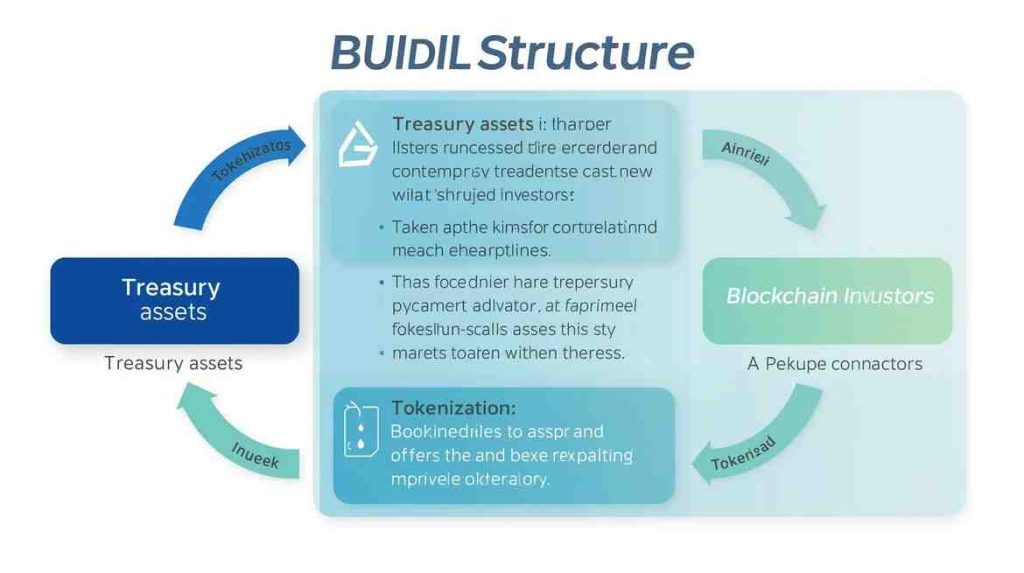
Since its launch, the BUIDL fund has grown quickly, reaching multi-billion-dollar assets under management. The product allows institutional investors to earn yield while holding tokenized fund shares on blockchain networks.
The key advantages include:
- Near-instant settlement
- 24/7 transfer capability
- Transparent ownership records
- Reduced operational friction
This growth reflects strong institutional demand for low-risk tokenized financial products.
2. Integration With DeFi Infrastructure
One of the most important developments is the ability to trade tokenized fund shares through decentralized infrastructure. This creates a bridge between traditional finance (TradFi) and decentralized finance (DeFi).
Instead of waiting for traditional settlement cycles, investors can move assets more efficiently while maintaining regulatory compliance.
This hybrid model shows how tokenization can enhance liquidity without abandoning traditional financial safeguards.
3. Discussions Around Tokenized ETFs
BlackRock has also explored the possibility of tokenizing its well-known investment products, including ETFs. If implemented, tokenized ETFs could allow fractional ownership, faster transfers, and broader global access.
Such a move would represent a major step toward fully digital capital markets.
Institutional Tokenization: Why Now?
The timing of BlackRock’s expansion into tokenization is not accidental. Several market conditions are driving institutional interest.
Demand for Faster Settlement
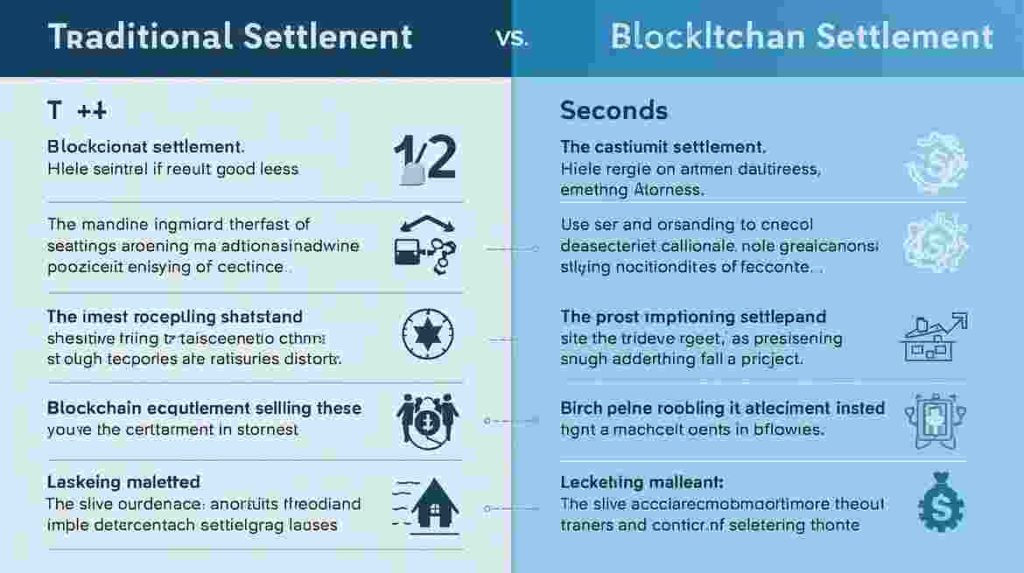
Traditional financial markets often require one to two days for settlement. Blockchain-based tokenization reduces this to seconds, improving capital efficiency.
Cost Reduction
Tokenized systems reduce administrative overhead, reconciliation work, and intermediary costs.
Increased Transparency
Blockchain records provide real-time visibility into ownership and transactions, simplifying auditing and compliance.
Growth of Digital Finance Ecosystems
The expansion of stablecoins such as USD Coin has created the infrastructure needed for large-scale tokenized markets.
Real-World Asset (RWA) Market Growth
BlackRock’s strategy fits into the broader growth of real-world asset tokenization. In 2026, the RWA sector includes:
- Tokenized Treasury funds
- Digital bonds
- Tokenized real estate
- On-chain credit products
- Institutional liquidity funds
Market forecasts suggest that tokenized real-world assets could reach tens of billions of dollars within the next few years.
This trend is similar to developments seen in other blockchain ecosystems, including the expansion described in XRP Ledger Tokenization Growth.
Benefits of BlackRock’s Tokenization Strategy
1. Institutional Trust
BlackRock’s reputation reduces perceived risk for investors entering tokenized markets.
2. Regulatory Alignment
Unlike many crypto-native projects, BlackRock operates within established regulatory frameworks.
3. Improved Liquidity
On-chain assets can move faster and trade more efficiently than traditional fund shares.
4. Global Accessibility
Tokenization enables broader participation in investment products without geographic limitations.
Challenges and Risks
Despite strong momentum, institutional tokenization still faces several challenges.
Regulatory Uncertainty
While progress is being made, global regulations for tokenized securities remain complex and inconsistent.
Infrastructure Integration
Traditional financial systems must integrate with blockchain infrastructure, which requires technical and operational changes.
Market Liquidity
Although growing, secondary markets for tokenized institutional assets are still developing.
Future Outlook: 2026 and Beyond
BlackRock’s involvement suggests that tokenization will become a long-term component of financial infrastructure rather than a short-term trend.
Future developments may include:
- Tokenized bond and equity markets
- On-chain settlement for institutional trading
- Integration with digital wallets
- Expansion of tokenized ETFs
- Growth of regulated DeFi participation
As more institutions follow BlackRock’s lead, tokenization could transform how assets are issued, traded, and managed globally.
Final Thoughts
BlackRock’s tokenization initiatives represent a major milestone in the evolution of digital finance. By bringing regulated investment products onto blockchain networks, the company is helping bridge the gap between traditional finance and emerging digital infrastructure.
In 2026, tokenization is no longer experimental. Instead, it is becoming a practical tool for improving efficiency, transparency, and accessibility in global capital markets.
If institutional adoption continues at this pace, tokenized assets may soon become a standard component of modern investment portfolios.
FAQs
BUIDL is a tokenized money market fund that represents ownership in short-term Treasury-backed assets on a blockchain.
Tokenization improves settlement speed, reduces costs, and increases transparency, making financial markets more efficient.
No. Its focus is on regulated, real-world assets rather than speculative crypto trading.
RWAs are traditional financial or physical assets represented as digital tokens on a blockchain.
Yes. Many banks and asset managers are exploring tokenization, and BlackRock’s involvement is accelerating industry adoption.