CFPB Open Banking Rule News Today: Key Updates 2026
Open banking in the United States is moving forward, but not without delays and changes. The Consumer Financial Protection Bureau (CFPB) is working to implement a national open banking framework under Section 1033 of the Dodd-Frank Act. However, recent legal challenges, industry feedback, and regulatory reviews have slowed the process. As a result, banks and fintech companies are now waiting for a revised version of the rule. This article explains the latest CFPB open banking news, the current status of the rule, and what these changes mean for the financial industry in 2026.
What Is the CFPB Open Banking Rule?

Section 1033 gives consumers the legal right to access their financial data and share it with third-party providers. The CFPB’s rule aims to turn this right into a practical system.
Under the proposed framework:
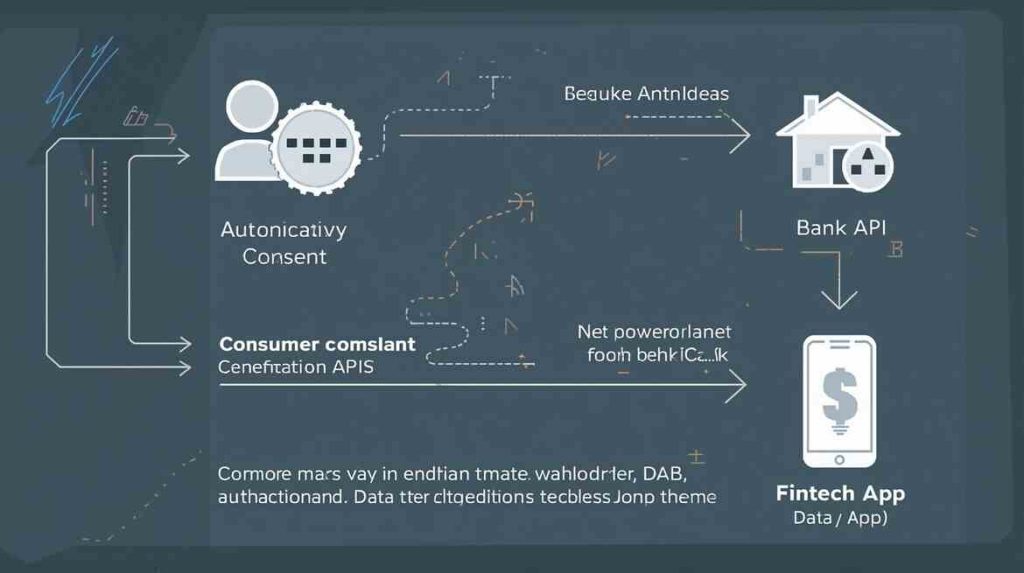
- Banks must provide customer data through secure APIs
- Customers must give clear consent before sharing data
- Third-party access must follow strict security standards
The goal is simple. Consumers should control their financial data, not the institutions that hold it.
This shift supports the broader digital transformation discussed in Open Banking API, where secure data sharing improves financial innovation.
Latest News: Rule Delayed and Under Review
The biggest update in 2026 is that the CFPB’s open banking rule is not fully active yet.
Several developments caused delays:
Court Challenges
Industry groups filed legal challenges, arguing that parts of the rule exceeded the CFPB’s authority. A federal court temporarily paused enforcement while the case continues.
Regulatory Revisions
At the same time, the CFPB announced plans to revise the rule. The agency is reviewing public feedback and evaluating whether some requirements need adjustment.
New Rulemaking Process
Instead of enforcing the original version, the CFPB is preparing updated guidance. This may come as an interim final rule or a revised proposal.
Because of these changes, compliance deadlines for banks are likely to move beyond the original timeline.
Why the Rule Matters for Banks
Even though enforcement is delayed, banks are not ignoring the rule. Most institutions are already preparing for open banking.
There are three main reasons.
Customer Expectations Are Changing
Customers want their bank accounts to connect easily with budgeting apps, payment tools, and investment platforms. If banks do not offer secure access, customers may switch providers.
Technology Investment Takes Time
API infrastructure cannot be built overnight. Large banks need time to upgrade systems, improve security, and test integrations.
Regulation Is Still Coming
The timeline may change, but the direction is clear. Open banking will become a standard requirement in the U.S.
These trends reflect the wider role of technology in finance explained in Role of Technology in Finance.
What the Delay Means for Fintech Companies
Fintech firms depend on reliable data access. Therefore, the rule’s delay creates both challenges and opportunities.
Challenges
- No single national standard yet
- Continued reliance on different bank integration methods
- Uncertainty about future compliance requirements
Opportunities
- More time to prepare for standardized APIs
- Ability to influence the rule through industry feedback
- Continued growth as consumers demand digital financial tools
Once finalized, the rule should reduce fragmentation and make integrations easier across the banking system.
Impact on Consumers
For consumers, the CFPB’s open banking initiative focuses on three key benefits.
More Control
Users will decide which apps can access their financial data and for how long.
Better Security
The rule encourages API connections instead of screen scraping. This reduces the need to share banking passwords with third parties.
More Financial Tools
Secure data sharing allows fintech companies to offer smarter budgeting, credit monitoring, and financial planning services.
However, because enforcement is delayed, many consumers will not see these benefits immediately.
Possible Changes in the Revised Rule
While the CFPB has not released a final update yet, industry discussions suggest several possible adjustments.
Extended Compliance Deadlines
Banks may receive more time to implement API systems.
Cost Recovery Options
The agency is considering whether banks can charge reasonable fees for certain data access services.
Clearer Liability Rules
Updated guidance may define who is responsible if a data breach occurs through a third-party provider.
These changes aim to balance innovation with operational costs and security risks.
Industry Response and Market Trends
Despite regulatory uncertainty, open banking adoption continues to grow.
Many banks are launching API platforms voluntarily. Meanwhile, fintech partnerships are expanding across payments, lending, and personal finance services.
For example, collaborations like the Regions Bank–Axway initiative show how institutions are preparing for a connected financial ecosystem. These developments align with trends discussed in Regions Bank Axway Open Banking.
The market is moving forward, even as regulation catches up.
What Happens Next?
The future of the CFPB open banking rule depends on three factors:
- Court decisions on ongoing legal challenges
- CFPB funding and regulatory priorities
- Final revisions based on industry feedback
Most experts expect a revised rule to emerge between late 2026 and 2027. Once finalized, it will create the first nationwide open banking standard in the United States.
Final Thoughts
The CFPB’s Section 1033 rule remains one of the most important regulatory developments in digital finance. Although delays and legal challenges have slowed progress, the overall direction has not changed.
Banks are building API infrastructure. Fintech companies are preparing for standardized access. Consumers are demanding more control over their financial data.
In short, open banking is coming. The timeline may shift, but the transformation of financial data access is already underway.
FAQs
It is a regulatory framework under Section 1033 of the Dodd-Frank Act that would require financial institutions to provide consumers and authorized third parties with secure access to financial data.
Legal challenges, a federal court injunction, and concerns about the agency’s authority have paused the enforcement of earlier versions of the rule.
An interim final rule takes effect immediately while the agency continues to review comments and possible revisions.
Because of ongoing rulemaking and litigation, full compliance deadlines may be pushed into 2027 or later.
It aims to give consumers control over their financial data and enable them to use it with secure third-party apps for budgeting, payments, and financial planning.