
Corporate Finance Jobs: Roles, Skills, Salary & Career Path (2026)
Corporate finance jobs focus on managing a company’s financial activities, including budgeting, investment planning, risk management, and strategic decision-making. Professionals in this field help organizations maximize profits, control costs, and support long-term growth.
In simple terms, corporate finance teams manage how a business earns, spends, invests, and raises money. As companies become more data-driven and globally connected, demand for skilled corporate finance professionals continues to grow in 2026.
Whether you are a student, career changer, or finance professional, understanding corporate finance roles can help you choose the right path.
What Is Corporate Finance?
Corporate finance is the division of a company responsible for financial planning, capital management, and investment decisions.
Key responsibilities include:
- Managing company budgets
- Forecasting revenue and expenses
- Evaluating investment opportunities
- Managing debt and funding
- Analyzing financial performance
Many organizations now use advanced tools and financial modeling solutions to improve forecasting accuracy and support strategic decisions.
Corporate finance plays a critical role in helping businesses stay profitable and financially stable.
Why Corporate Finance Jobs Are in Demand
Several factors are increasing demand for corporate finance professionals:
- Growing business complexity
- Expansion of global markets
- Increased focus on cost efficiency
- Data-driven decision-making
- Need for financial risk management
Companies across industries technology, healthcare, manufacturing, and finance require experts who can interpret financial data and guide business strategy.
This demand aligns with broader business trends where financial planning and analytics are becoming central to growth.
Types of Corporate Finance Jobs
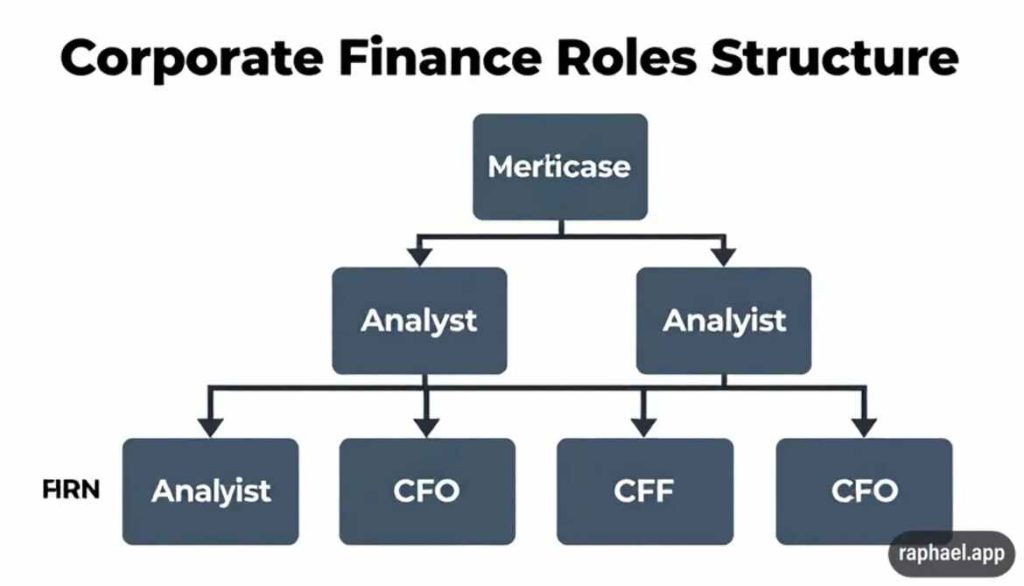
Corporate finance offers a wide range of career options depending on experience and specialization.
1. Financial Analyst
Financial analysts evaluate financial data, prepare reports, and support decision-making.
Key tasks:
- Budget analysis
- Forecasting revenue and costs
- Performance tracking
- Investment analysis
This is one of the most common entry-level roles in corporate finance.
2. FP&A (Financial Planning and Analysis)
FP&A professionals focus on planning, forecasting, and strategic financial analysis.
Responsibilities include:
- Creating financial models
- Scenario analysis
- Supporting leadership with insights
- Monitoring business performance
Companies rely heavily on FP&A teams to support long-term planning.
3. Corporate Treasurer
Treasurers manage a company’s cash flow, investments, and financial risk.
Key duties:
- Managing liquidity
- Overseeing banking relationships
- Handling debt and financing
- Monitoring currency and interest rate risks
This role is critical for large organizations with complex financial operations.
4. Finance Manager
Finance managers oversee financial operations and supervise analysts and accounting teams.
Responsibilities include:
- Budget management
- Financial reporting
- Compliance oversight
- Cost control
This is typically a mid-level management position.
5. Chief Financial Officer (CFO)
The CFO is the senior executive responsible for the company’s overall financial strategy.
Key responsibilities:
- Strategic financial planning
- Investor relations
- Risk management
- Supporting business growth decisions
This is the highest-level corporate finance role.
Salary Expectations for Corporate Finance Jobs (2026)
Salaries vary based on experience, location, and industry, but corporate finance roles offer strong earning potential.
Approximate ranges:
- Financial Analyst: $60,000 – $90,000
- Senior Analyst: $80,000 – $120,000
- Finance Manager: $100,000 – $150,000
- Corporate Treasurer: $120,000 – $200,000
- CFO: $180,000+
Specialized skills such as data analytics, automation, and financial technology can increase earning potential.
Skills Required for Corporate Finance Careers
To succeed in corporate finance, professionals need a mix of technical and business skills.
Technical Skills
- Financial modeling
- Excel and data analysis
- Budgeting and forecasting
- Accounting knowledge
- Risk analysis
Analytical Skills
- Problem-solving
- Attention to detail
- Critical thinking
- Business analysis
Soft Skills
- Communication
- Presentation skills
- Strategic thinking
- Decision-making
Many companies now expect familiarity with modern finance technology tools that improve reporting and automation.
Education and Certifications
Most corporate finance roles require:
- Bachelor’s degree in Finance, Accounting, Economics, or Business
Advanced credentials can improve career prospects:
- MBA (Finance)
- CFA (Chartered Financial Analyst)
- CPA (Certified Public Accountant)
- Financial modeling certifications
Continuous learning is important as financial systems and regulations evolve.
How to Start a Career in Corporate Finance
Step 1: Build Core Knowledge
Learn accounting principles, financial analysis, and business fundamentals.
Step 2: Develop Technical Skills
Practice Excel, financial modeling, and data analysis tools.
Step 3: Gain Experience
Internships and entry-level analyst roles provide practical experience.
Step 4: Specialize
Choose a focus area such as FP&A, treasury, or corporate strategy.
Step 5: Grow Professionally
Pursue certifications and leadership roles over time.
Professionals who combine finance knowledge with digital skills benefit from broader career opportunities in finance as the industry evolves.
Corporate Finance vs Investment Banking
While both fields deal with financial management, they differ in focus.
| Corporate Finance | Investment Banking |
|---|---|
| Works within a company | Works for financial institutions |
| Focuses on internal strategy | Focuses on external deals |
| Stable work hours | Long, demanding hours |
| Long-term planning | Transaction-based work |
Corporate finance is often preferred by professionals seeking long-term stability and work-life balance.
Future of Corporate Finance Jobs
Corporate finance is changing due to technology and automation.
Key trends for 2026 include:
- AI-driven financial forecasting
- Automated reporting systems
- Real-time financial dashboards
- Data analytics for decision-making
- Cloud-based finance platforms
These changes are part of broader technology trends that are transforming how businesses manage financial operations.
Professionals who adapt to these tools will have better career growth opportunities.
FAQs
They manage budgeting, forecasting, financial analysis, and strategic planning to help companies make informed financial decisions.
Yes, it offers strong salaries, career growth, and opportunities across many industries.
A degree in finance, accounting, economics, or business administration is typically required.
Coding is not required, but data analysis and financial modeling skills are highly valuable.
Financial analyst is the most common starting position.