Open Banking API: Meaning, Benefits and How It Works
Open banking is transforming how financial data moves between institutions, businesses, and customers. Instead of keeping banking data locked inside one institution, open banking allows secure data sharing through standardized interfaces. At the center of this system is the Open Banking API.
In simple terms, an Open Banking API enables third-party applications to access financial data but only with customer consent. Because of this model, innovation in financial services has accelerated rapidly.
This guide explains what an Open Banking API is, how it works, why it matters, and how businesses can use it strategically in 2026.
Clear Definition
An Open Banking API (Application Programming Interface) is a secure digital interface that allows banks to share customer financial data with authorized third-party providers, with the customer’s permission.
The key principle is consent-based data sharing.
Without explicit user approval, no data transfer happens.
How Open Banking APIs Work
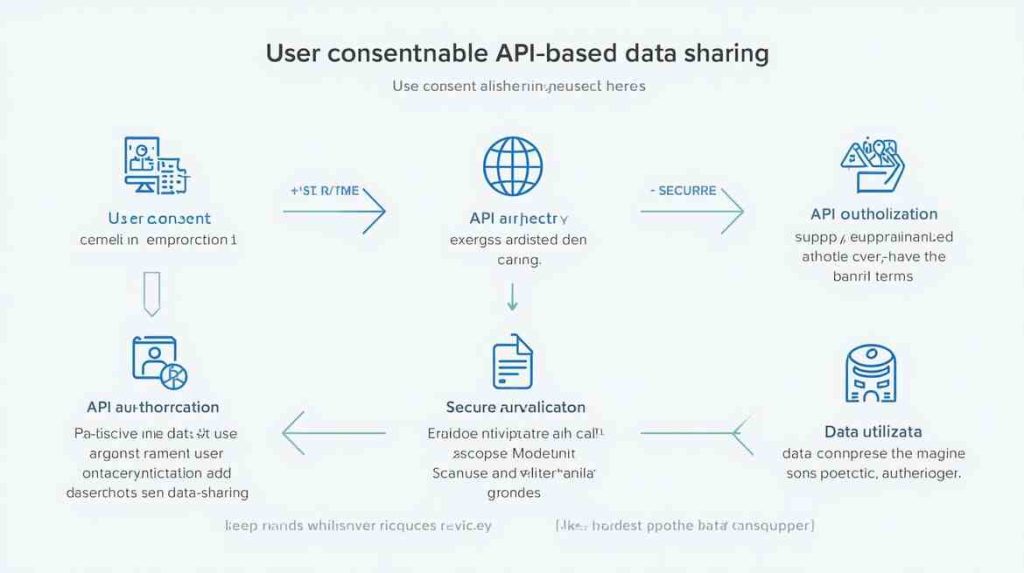
Open Banking APIs function through a structured process. Instead of manually sharing bank statements, users grant digital access to verified applications.
Here is how the process typically works:
- A user signs up for a financial app (for example, budgeting or lending software).
- The app requests permission to access specific bank data.
- The user authenticates directly with their bank.
- The bank provides a secure token to the third-party app.
- The app retrieves approved data through the API.
Because the connection uses encrypted tokens rather than passwords, security improves significantly.
Why Open Banking APIs Matter in 2026
Open Banking APIs matter because they increase competition, innovation, and transparency in financial services.
Instead of relying on a single bank’s ecosystem, customers can use multiple financial tools that connect seamlessly.
For example:
- Budgeting apps can track spending automatically
- Lending platforms can assess creditworthiness instantly
- Investment apps can aggregate accounts in one dashboard
This shift aligns with broader digital finance transformation trends discussed in Emerging Technologies in Finance and Accounting, where automation and data-sharing systems reshape traditional finance.
Key Benefits of Open Banking APIs
1. Improved Customer Experience
Customers no longer need to manually upload statements or switch between multiple banking apps. Instead, financial data syncs automatically across platforms.
As a result, financial management becomes simpler and more efficient.
2. Increased Competition and Innovation
Open banking reduces monopolistic control over data. Therefore, fintech startups can build innovative products without becoming full banks.
This encourages faster development cycles and better financial tools.
3. Faster Loan Approvals
Because lenders can access real-time transaction data, credit decisions happen more quickly and accurately.
Traditional paper-based verification processes become unnecessary.
4. Better Financial Insights
Aggregated financial data allows AI-powered tools to generate spending insights, detect unusual transactions, and forecast cash flow trends.
This connects with broader AI integration strategies explained in Role of Technology in Finance.
Open Banking API vs Traditional Banking Integration
| Feature | Open Banking API | Traditional Integration |
|---|---|---|
| Data sharing | Consent-based | Often manual |
| Security | Tokenized access | Password sharing risk |
| Speed | Real-time | Delayed |
| Innovation | High | Limited |
| Transparency | Stronger | Lower |
The difference is structural, not just technical. Open banking shifts control from institutions to customers.
Security and Privacy Considerations
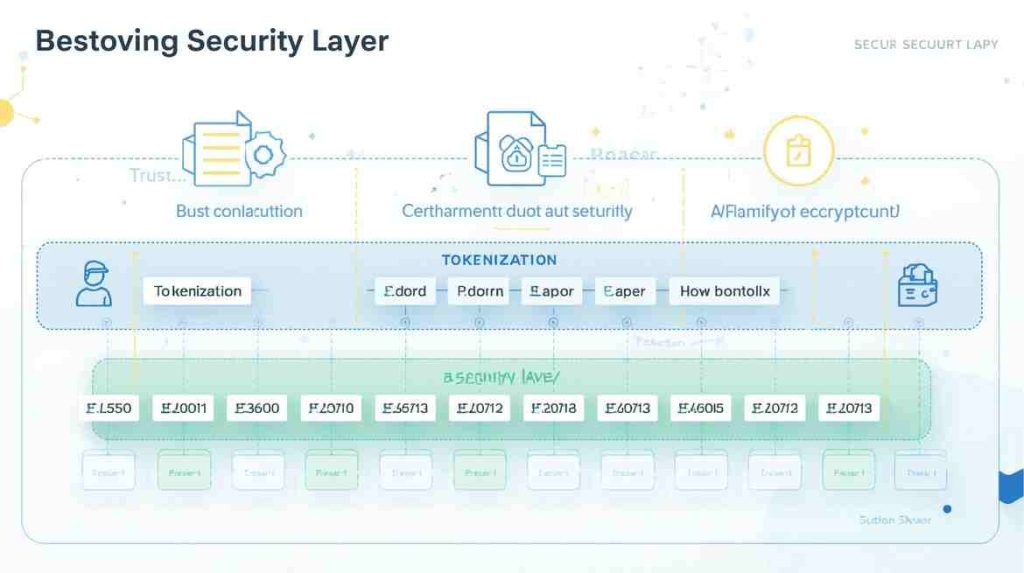
Security is central to open banking systems. APIs use:
- OAuth authentication protocols
- Tokenized data access
- Encryption standards
- Multi-factor authentication
However, risks still exist. Poorly designed third-party apps may expose vulnerabilities. Therefore, regulatory compliance and certified providers are essential.
Cybersecurity frameworks similar to those discussed in modern financial system protection ensure safe data exchange.
Regulatory Framework Behind Open Banking
Open banking is not optional in many regions. Regulations require banks to provide API access under strict guidelines.
For example:
- PSD2 regulation in Europe
- Open Banking Implementation Entity (UK)
- Consumer Data Right (Australia)
These frameworks standardize API usage and protect consumers.
Business Use Cases of Open Banking APIs
Fintech Startups
Startups build budgeting, lending, and wealth management apps without holding banking licenses.
E-Commerce Platforms
Businesses integrate embedded finance solutions directly into checkout systems.
Accounting Software
Accounting platforms sync directly with bank accounts, reducing manual bookkeeping.
Risk Assessment
Lenders analyze transaction patterns to assess credit risk accurately.
Understanding financial infrastructure including digital currency ecosystems such as USD Coin further supports seamless global financial integration.
Challenges of Open Banking APIs
Despite its advantages, open banking faces challenges:
- Data standardization differences between banks
- User trust concerns
- Complex compliance requirements
- Technical integration costs
Therefore, businesses must evaluate readiness before adopting open banking models.
Future of Open Banking in 2026 and Beyond
Open banking is evolving toward “open finance,” where not just banking data but insurance, investments, and pensions become accessible through APIs.
Additionally, AI integration will improve predictive financial modeling, personalized recommendations, and automated financial planning.
As competition increases, financial institutions must shift from data ownership to service excellence.
Final Thoughts
Open Banking APIs redefine financial control. Instead of locking customer data within one institution, they enable secure, permission-based sharing across platforms.
This transformation increases transparency, improves innovation, and enhances customer experience.
In 2026, understanding Open Banking APIs is not optional for fintech companies, financial institutions, or digital entrepreneurs. It is foundational knowledge for participating in modern finance.
FAQs
It is a secure digital connection that allows banks to share customer financial data with authorized apps, with the user’s permission.
Yes, when implemented properly with encryption and secure authentication protocols, it enhances security compared to password sharing.
Customers, fintech startups, lenders, and businesses all benefit from faster, more innovative financial services.
No, access is limited to the specific data you approve, and you can revoke permission at any time.