Regions Bank & Axway Open Banking Partnership 2026
Open banking is changing how customers share financial data and how banks connect with fintech services. Instead of using outdated methods like screen scraping, modern banks are moving toward secure API-based data sharing. In this transition, the partnership between Regions Bank and Axway has become an important development in the U.S. banking sector.
The collaboration focuses on implementing Axway’s Amplify Open Banking platform to improve security, customer control, and third-party integrations. More importantly, it shows how traditional banks are adapting to a more connected financial ecosystem.
This article explains the latest news about the Regions Bank–Axway partnership, how the system works, and why it matters for customers, businesses, and the future of banking.
What Is the Regions Bank Axway Partnership?
Regions Bank selected Axway’s Amplify Open Banking solution to modernize how financial data is shared with external applications. Previously, many third-party services accessed bank data using customer login credentials. Although common, this method increased security risks and reduced customer visibility.
Now, Regions Bank is shifting to API-based connections. Instead of sharing passwords, customers approve specific data access through secure digital permissions. This approach improves both security and transparency.
At the same time, the bank can monitor third-party connections and ensure that data is shared only when authorized.
Why Open Banking Matters Right Now
Open banking is not just a technology upgrade. It reflects a broader shift toward customer-controlled financial data. Today’s users expect their bank accounts to connect easily with budgeting tools, payment platforms, and investment apps.
Several factors are driving this change:
- Growing use of fintech applications
- Higher demand for data privacy and control
- Regulatory pressure for secure data sharing
- Competition among banks to offer better digital services
These trends align with the larger transformation discussed in Role of Technology in Finance, where digital infrastructure is reshaping financial services.
How Axway’s Amplify Open Banking Works

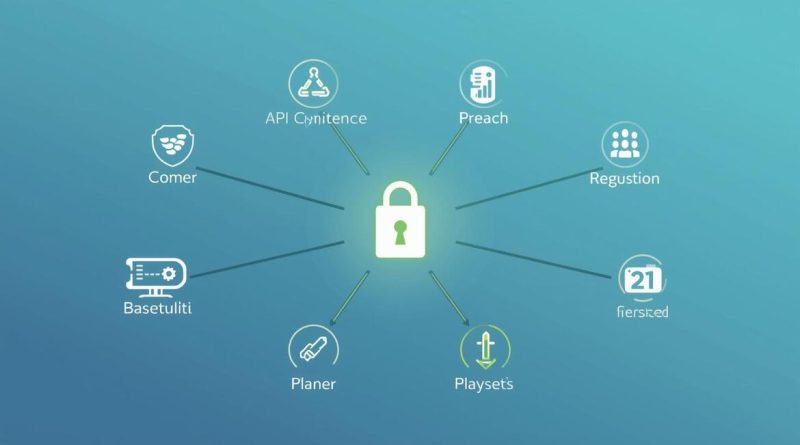
Axway’s platform provides a structured framework for secure data exchange between Regions Bank and third-party providers. The system focuses on four key areas.
1. Secure API Connections
Financial data moves through encrypted APIs instead of manual access methods. Because credentials are never shared, the risk of unauthorized access decreases significantly.
2. Customer Consent Management
Customers must approve each connection before any data is shared. In addition, they can review permissions and revoke access whenever they choose.
3. Activity Monitoring
Regions Bank can track third-party activity and disable connections if unusual behavior appears. This adds an extra layer of protection.
4. Developer Integration
The platform includes a developer environment that helps fintech companies build secure connections quickly. As a result, new financial services can launch faster.
Benefits for Customers
The new open banking system improves the user experience in several ways.
Better Security
Since passwords are not shared with external apps, the chances of data breaches decrease.
More Control
Customers decide what information to share and how long the access remains active.
Improved App Performance
Budgeting, investment, and payment apps receive real-time data through APIs, which improves accuracy and reliability.
Greater Transparency
Users can see which apps have access to their data and remove them at any time.
Because of these benefits, open banking is becoming a standard feature in modern financial services.
Advantages for Businesses and Fintech Providers
The partnership also supports corporate clients and fintech companies.
For businesses, API connections make it easier to:
- Automate cash flow tracking
- Integrate banking data with accounting systems
- Improve financial reporting
- Reduce manual reconciliation work
Meanwhile, fintech developers gain a secure and standardized way to connect with Regions Bank. This reduces development time and helps bring new products to market faster.
These improvements support broader automation trends similar to those explained in Open Banking API.
Impact on the U.S. Banking Industry
Regions Bank’s move reflects a growing trend among regional and national banks. Instead of treating fintech companies as competitors, banks now see them as ecosystem partners.
This shift creates several industry impacts:
- Faster innovation cycles
- More personalized financial services
- Increased competition based on user experience
- Stronger security standards across the industry
In addition, regulatory initiatives such as consumer data rights in the U.S. are encouraging banks to adopt standardized open banking frameworks.
Challenges and Considerations
Although the benefits are clear, open banking adoption still faces some challenges.
Customer Awareness
Many users do not fully understand how consent-based data sharing works. Banks must invest in education and clear communication.
Third-Party Risk Management
Financial institutions must carefully evaluate fintech partners to ensure they meet security and compliance standards.
System Integration Costs
Upgrading legacy banking infrastructure requires time and investment.
Despite these challenges, most banks see open banking as necessary for long-term competitiveness.
Future Outlook for Regions Bank Open Banking

The Regions Bank–Axway partnership is only the beginning. Over the next few years, the platform is expected to support:
- Embedded finance services
- Real-time payment integrations
- Expanded fintech partnerships
- Enhanced data analytics and personalization
As open banking ecosystems grow, customers will experience smoother financial management across multiple platforms.
For banks, success will depend on balancing innovation, security, and customer trust.
Final Thoughts
The collaboration between Regions Bank and Axway highlights a major shift in digital banking strategy. By moving to secure API-based data sharing, the bank is giving customers more control while enabling faster fintech innovation.
Open banking is no longer optional. It is becoming a core part of modern financial infrastructure. As more institutions adopt similar platforms, customers can expect safer connections, better tools, and a more connected financial experience.
FAQs
Open banking is a secure system that allows customers to share financial data with third-party providers through APIs with explicit consent.
It eliminates the need for third parties to store banking credentials and ensures data is shared only after customer consent via secure API connections.
Yes. With the new API-based system, customers can choose to share data with third-party apps securely and revoke access anytime.
FDX (Financial Data Exchange) is an industry standard that promotes interoperable, secure, and royalty-free APIs for financial data sharing.
It allows companies to connect financial data with business tools for improved automation, analysis, and digital workflows, enhancing operational efficiency.